← Back
Story
1
Story
2
Story
3
Story
4
Image
5
Image
6
Link
7
Link
8
Quote
9
The Mater Podcast
10
Image
11
Image
12
Image
13
Quote
14
Quote
15
Image
16
Image
17
Quote
18
Note
19
Image
20
Quote
21
Image
22
Note
23
Link
24
Image
25
Image
26
Image
27
Link
28
Link
29
Link
30
Link
31
Note
32
The Mater Podcast
33
The Mater Podcast
34
The Mater Podcast
35
Story
36
Story
37
Text
38
Text
39
Text
40
Submit an entry
Bodies
40 items
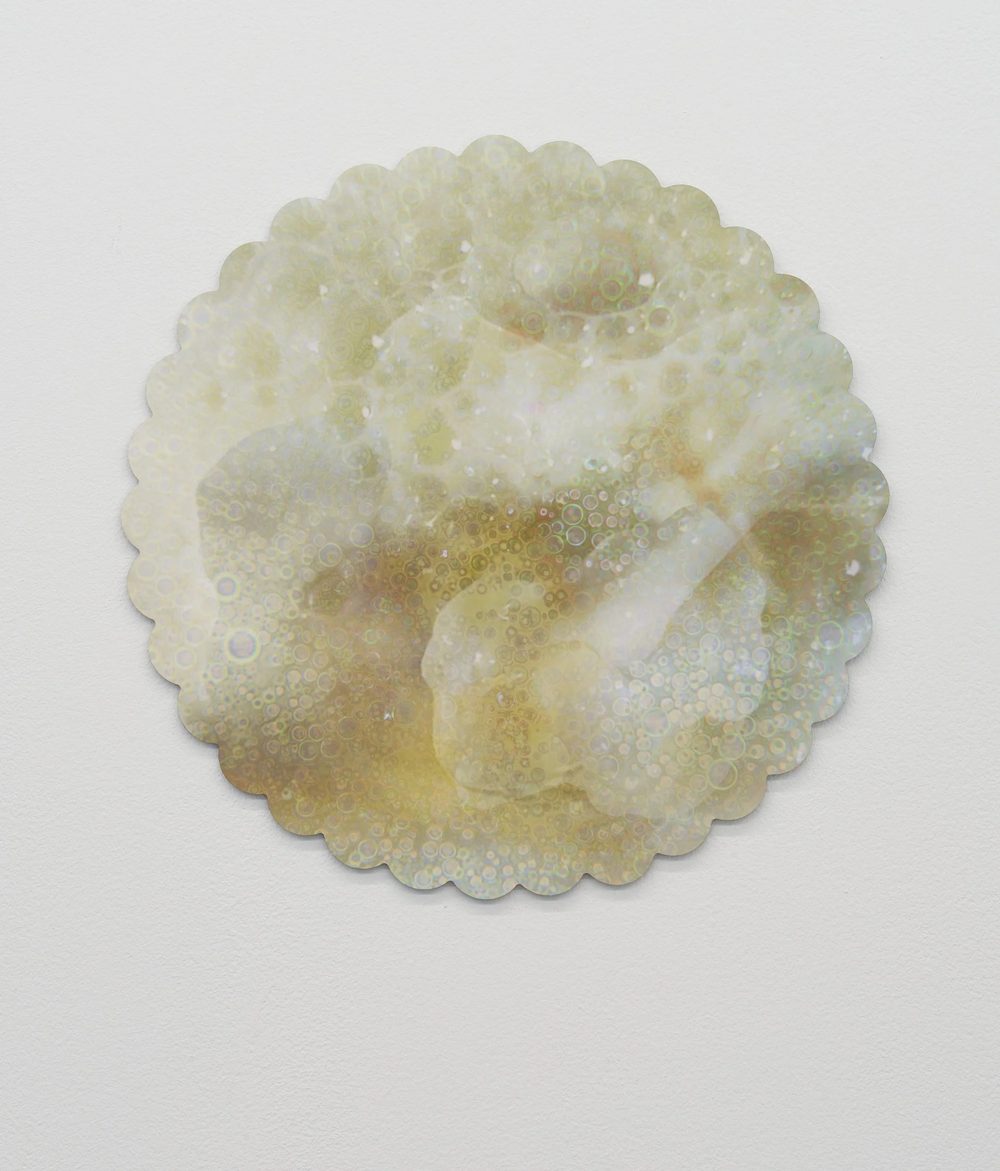
Ani Liu, Untitled (Milk fat globules), (2022), Microscopic imagery, printed custom cut aluminum panel. Photographed at Ecologies of Care, Cuchifritos Gallery + Project Space by Brad Farwell. "Pictured is a portrait of my breast milk, with imagery layered from my microscope and camera. I chose a scalloped edge for the image because it evoked the shape of nursing pads, bra pads, pasties, and anatomical illustrations of mammary glands. My curiosity is piqued by the cultural associations between flower shapes and breasts, the many layered informational exchanges through breast milk, the sincere, tender love I feel from breastfeeding, along with the exhaustion (and mastitis, the bites, the leaks, the many unglamorous realities) of performing this embodied labor. Layered and contradictory, like most of life." - Liu
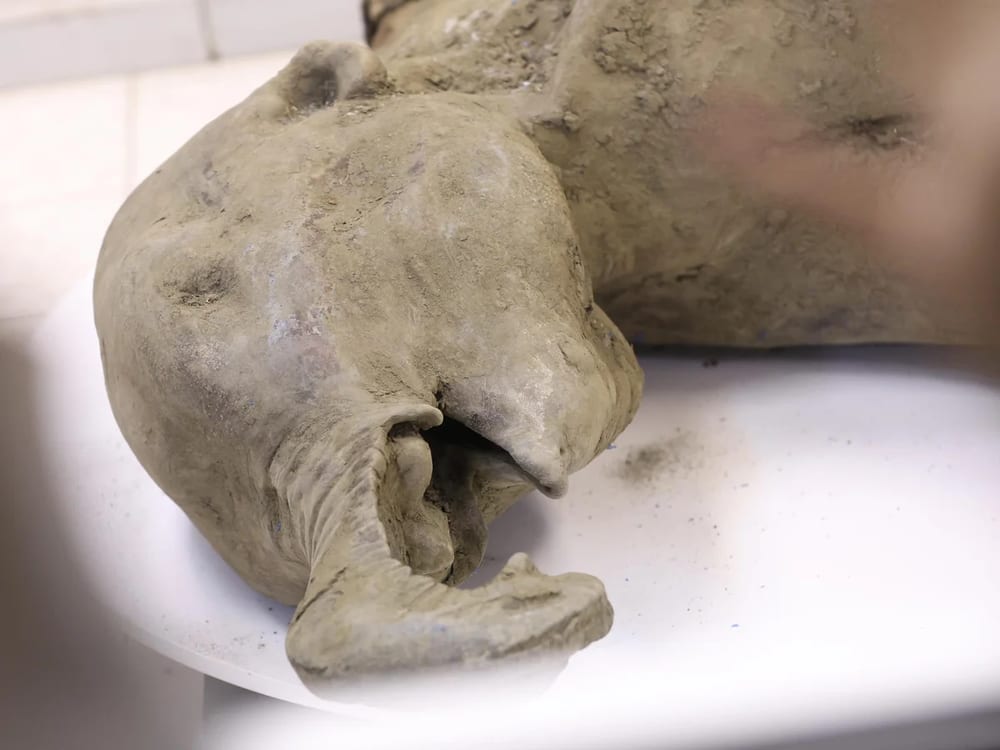
The permafrost of Siberia and Alaska hides mummified remains of mammoths etc that have been perfectly preserved
I remember this fact: mother’s milk is blood passed through a filter. Blood that used to circulate through the veins and arteries and is then converted into milk
— Barrera, J. (2022). Linea nigra: An essay on pregnancy and earthquakes (C. MacSweeney, Trans.). Two Lines Press. (Original work published 2020)
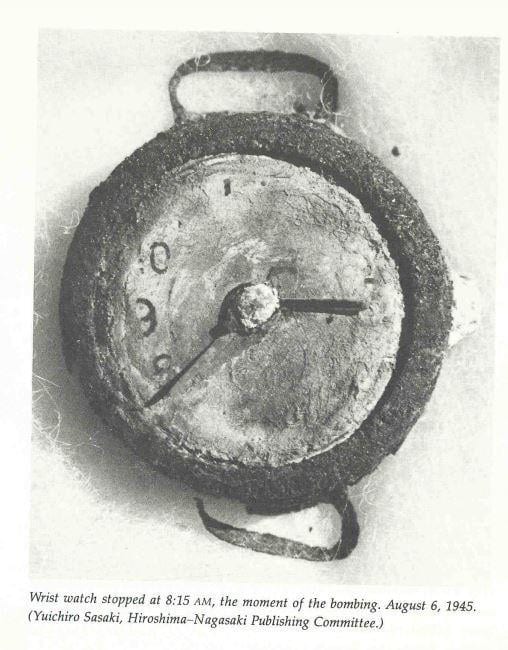
"Hiroshima clock. A charred clock, stopped at 8.15 in the morning, the moment when the atomic bomb devastated Hiroshima, Japan, on 6 August 1945. Dropped by the US Air Force, the 'Little Boy' uranium bomb [..] exploded 580 metres above the city of Hiroshima with a force of 12,500 tons of TNT. It killed 140,000 people by the end of 1945, and a further 60,000 from wounds or radiation" - Science Photo Library
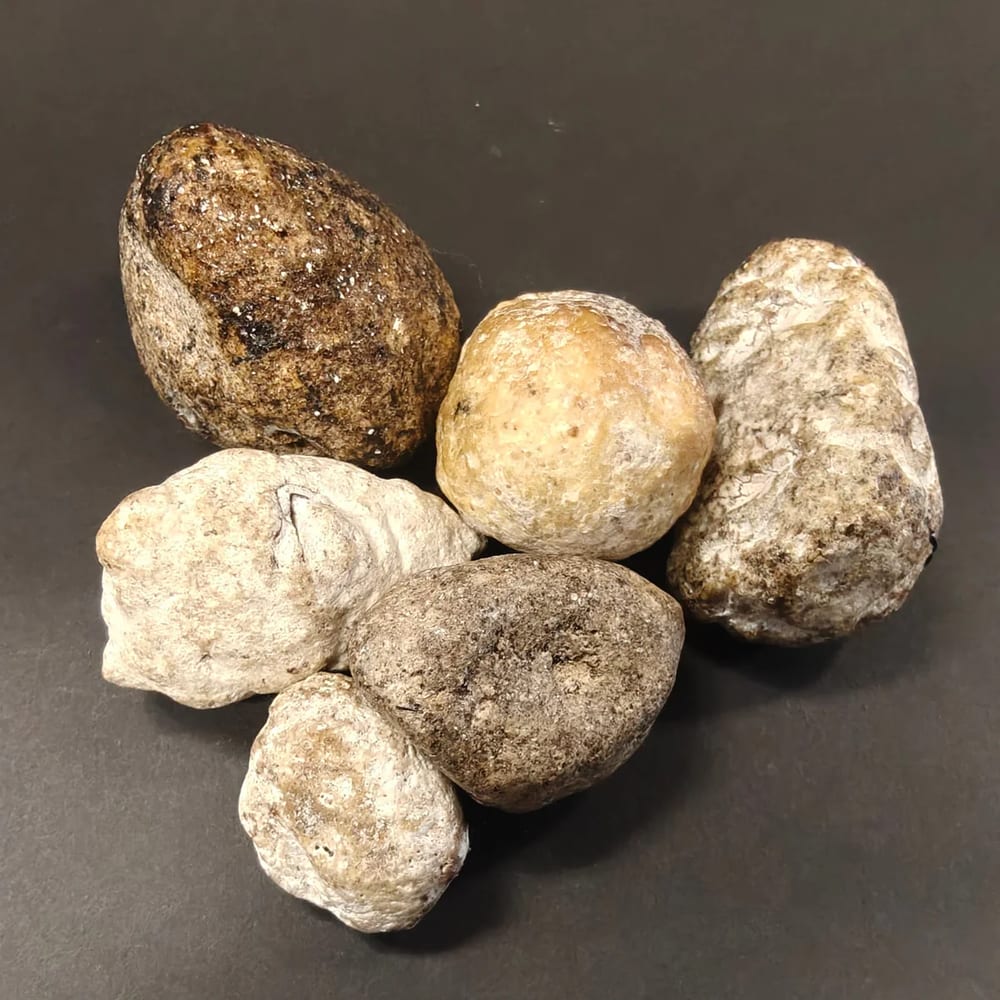
Ambergris | Treasure of the sea / floating gold. A natural biproduct of the squid-based diet of a sperm whale, where the indigestible elements of their pray can enter the digestive system and bind together becoming a solid mass. It is incredibly valuable due to rarity and use within the luxury perfume industry as a fixative that makes fragrance last longer on human skin.
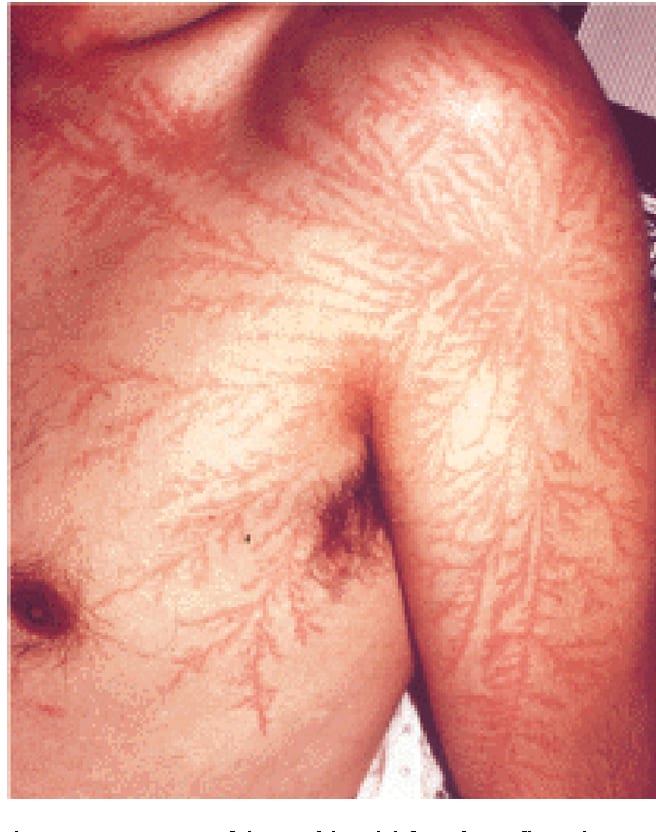
Keraunographic marking (Lichtenberg figure) on shoulder and chest. Fern-like scars following a lightning strike on human body. I am trying to work out if these images are real.. does anyone have a reputable link? This best I can find is from Semantic Scholar (but there do appear to be many others saying the same thing).
Screens with ITO [Indium Tin Oxide] are known as capacitive touch screens, and work in a different way: there are conductive wires under the screen, carrying charges.
Touching the ITO screen with anything that can carry an electrical charge – like your finger – interrupts the flow of current, and another set of wires running perpendicular to the conductive ones sense the disruption. They send the feedback to the device to let it know where on the screen you’re touching.
ITO touchscreens, rather than the deforming type, are able to sense multiple points of contact, which gives rise to the pinching and swiping we are all now so familiar with.
— ITO Touch Screen Technology - itotouch.com
Salmon is the colour of a wild fish that is neither wild, nor fish, nor even salmon. But they are not alone. The changing tones of many other species are warning signs of an environmental crisis, where the colours of life—flesh, scales, feathers, skin, leaves, wings—are increasingly altered by synthetic substances ingested and absorbed by organisms. These shifts are both symptoms and signals of profound ecological and metabolic transformations around and inside us. Salmon: A Red Herring interrogates the colours we expect in ‘natural’ environments, compelling us to confront how human interventions distort the perception of colour as we change the planet.
— 2020, SALMON: A RED HERRING, Cooking Sections
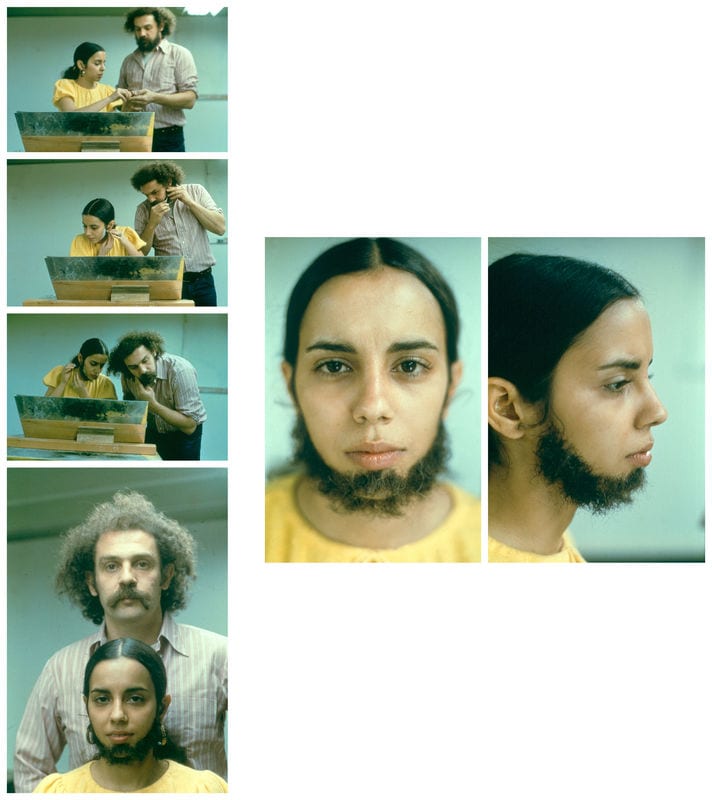
Ana Mendieta, Artist, Untitled (Facial Hair Transplants) , 1972, seven estate color photographs where Mendieta glued her friend's beard onto her face. Highlighting 'the fact that sexual classifications are social conventions that frame and overdetermine sexualities. By staging a mutant sexual identification, the artist problematized those classifications and disrupted the normative models of beauty by which society operates, differentiating between the feminine and the masculine.' - Hammer Museum
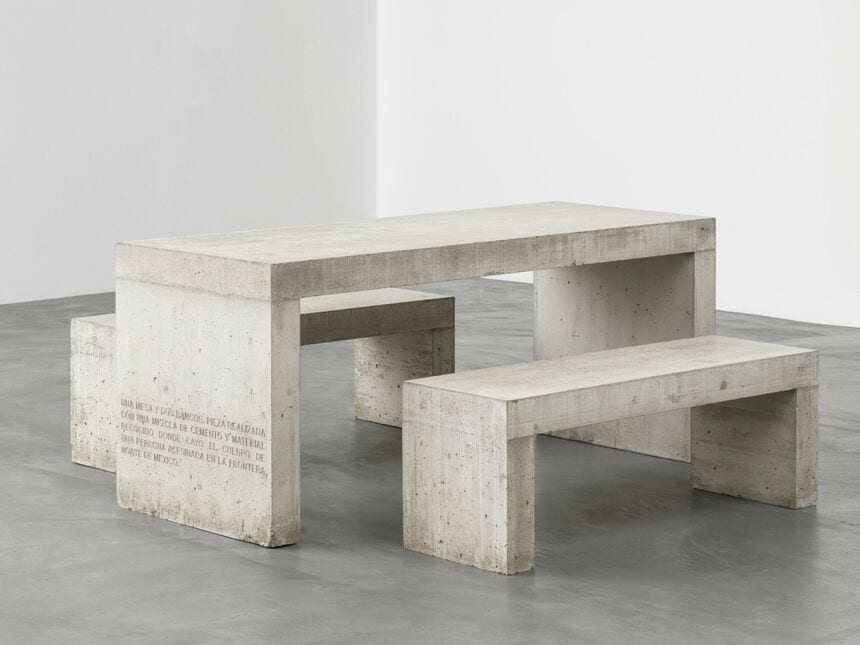
Artist | Teresa Margolles (b. 1963, Culiacán, Sinaloa, Mexico) investigates 'the social and aesthetic dimensions of conflict', creating art across a range of disciplines which is 'imbued with material traces of death'. In the early 1990s Margolles worked as a mortician in Mexico City, and was a trained forensic pathologist. In this role she was in close proximity to 'nameless victims of drug-trafficking violence whose unidentifiable bodies passed in numbers through the morgue, largely regarded as “collateral damage.”' Margolles has worked with 'blood-stained sheets, glass shards from shattered windshields, bullet-ridden walls, or used surgical threads' as well as the 'fog of vaporized water previously used to wash corpses'. The work pictured here, *Mesa y dos bancos* (2013), features a table and benches made out of concrete which has been combined with organic material taken from where there lay a body of a person who was murdered on the Northern Mexico and US border. Words from James Cohan gallery website on the artist
Today, Chernobyl’s Nuclear Reactor Unit 4 is itself entombed within a metal-clad concrete structure that is ominously named the “Sarcophagus”, both a burial chamber to the many ‘volunteers’ who died trying to quell the fire and seal-off escaping contaminants, as well as a form of architectural embalmment aimed at mummifying its radioactive contents.
— S. Shuppli, The Most Dangerous Film In The World, (2010). in Tickle Your Catastrophe!, ed F. Le Roy, N.Wynants, and D.H.Vanderbeeken. (p131)
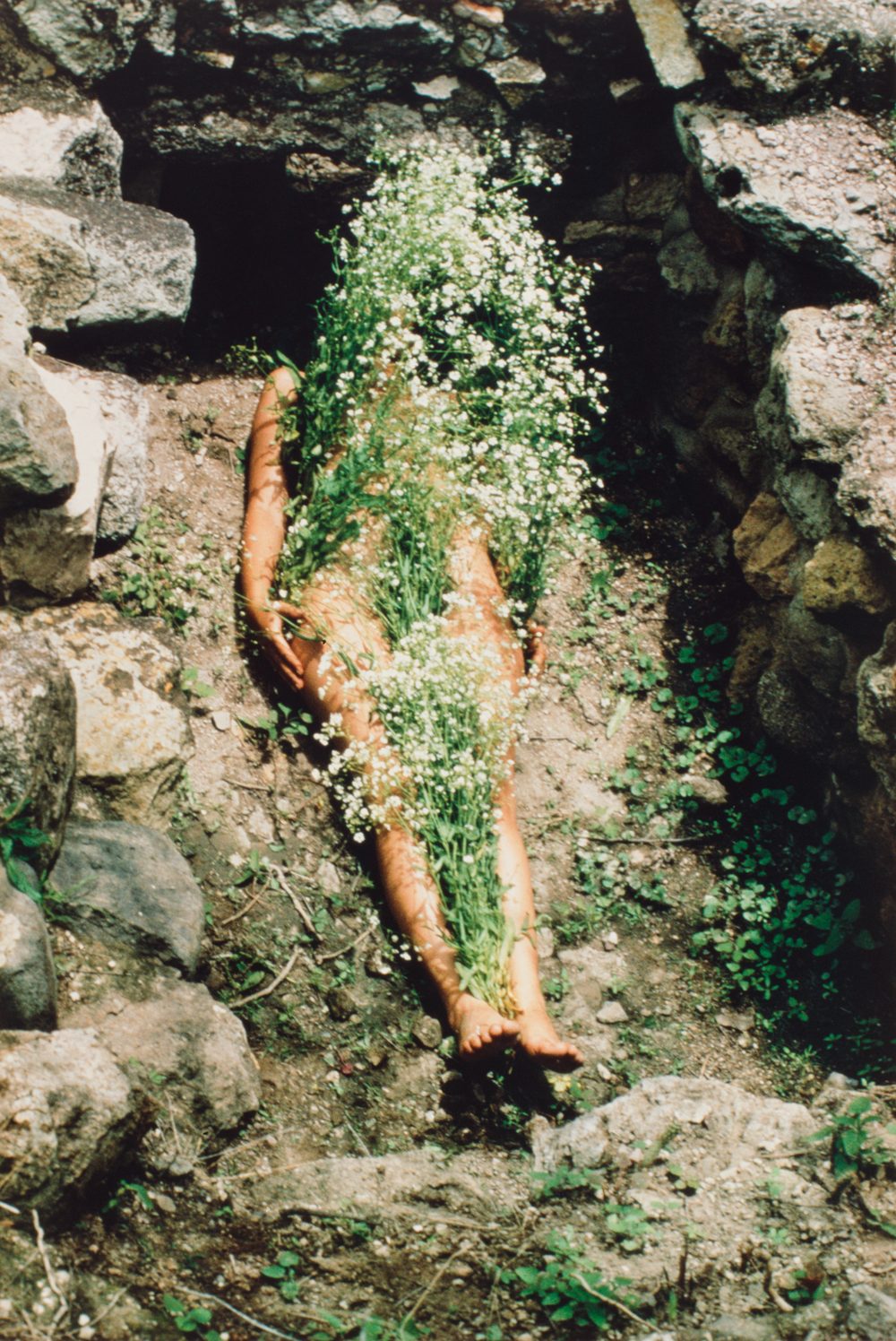
Artist | Ana Mendieta, (1948–1985, Cuba), is well known for her Silueta or Earth-Body series which involved her lying down in the earth alone, and leaving an outline of her body in the ground. Photographs and films document these events, they sometimes show her body still there, other times she is gone and all that is left is a rough trace. The imprint of her body has often already been partially eroded by elements like lapping water or fire. Sometimes the void has been filled with flowers. They reflect the body merging with landscape. She said: “I work with the earth, I make sculptures in the landscape. Because I have no motherland, I feel a need to join with the earth, to return to her womb.”
“One evening in Edinburgh, Sara Barnes approached me and said: “I have been thinking about your work lately, I came across something that I think you might be very interested in—it’s a collection of body stones.” “Body stones?” “Body stones—gall stones, kidney stones—they are all made of geology.” Out of this conversation grew a totally unexpected line of enquiry, the idea that we as humans are also geological agents—we form geology.”
— Physical Geology / The Library. Written by Ilana Halperin, in Art in the Anthropocene, 2015. Davis, H
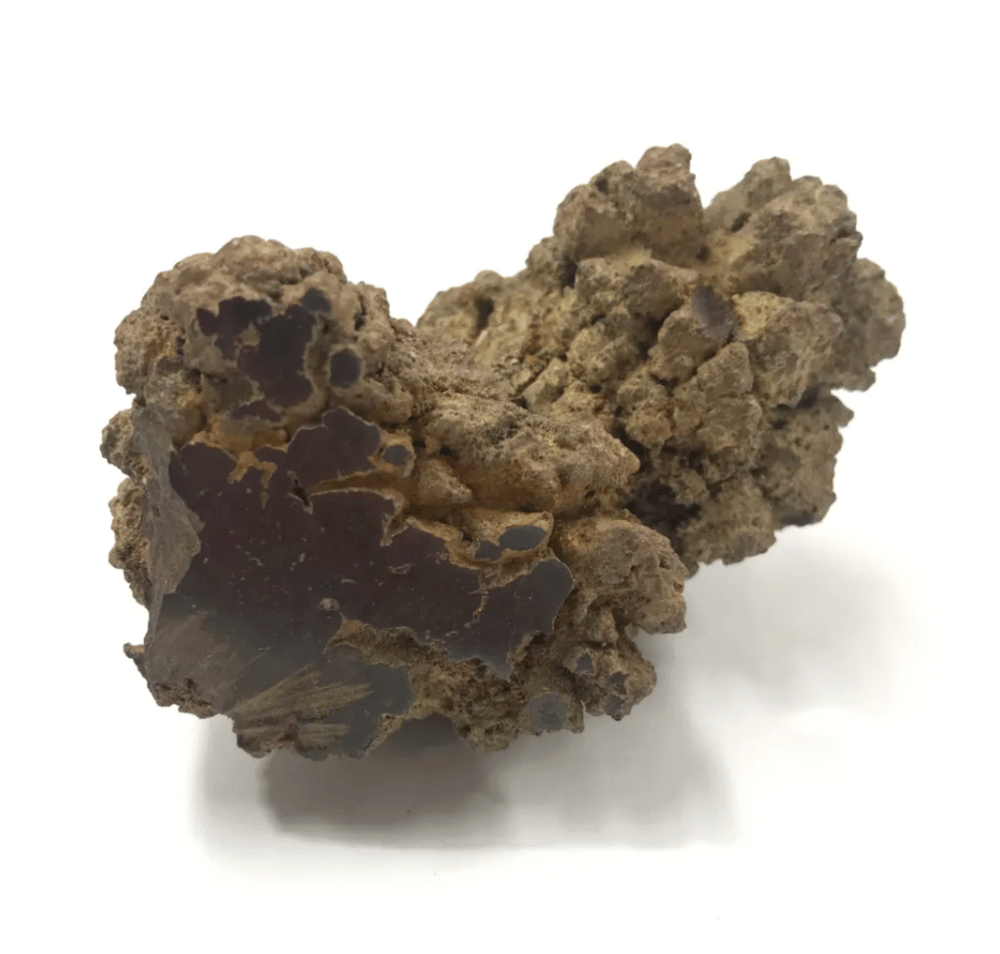
Coprolite (turtle) | Materials Library | Institute of Making | UCL Deciduous teeth, Mollusc Shell (eroded), Spider Silk Cobweb (on chicken wire), and (pictured) fossilised turtle faeces. ‘Animal’ materials in the Materials Library
In his essay Materials Against Materiality, Tim Ingold describes how several materials which come from animal bodies are used in traditional tent-making practices around the world. The materials include wool, bone and feathers, he also references “Skins: these usually have to be softened by being scraped and beaten – a long and arduous task. Then they have to be cured by soaking in substances such as sour milk, camel dung or bark fermented in urine.” As well as “Hair: North African pastoralists make ‘black tents’ from goat hair which is spun on a drop spindle and woven on a ground-loom. Hair is also used to fill mattresses and to make rope, and is suitable for warp threads in weaving rugs and blankets. In addition, it is used for making paint brushes.” - T.Ingold (2007) Materials Against Materiality, Cambridge University Press
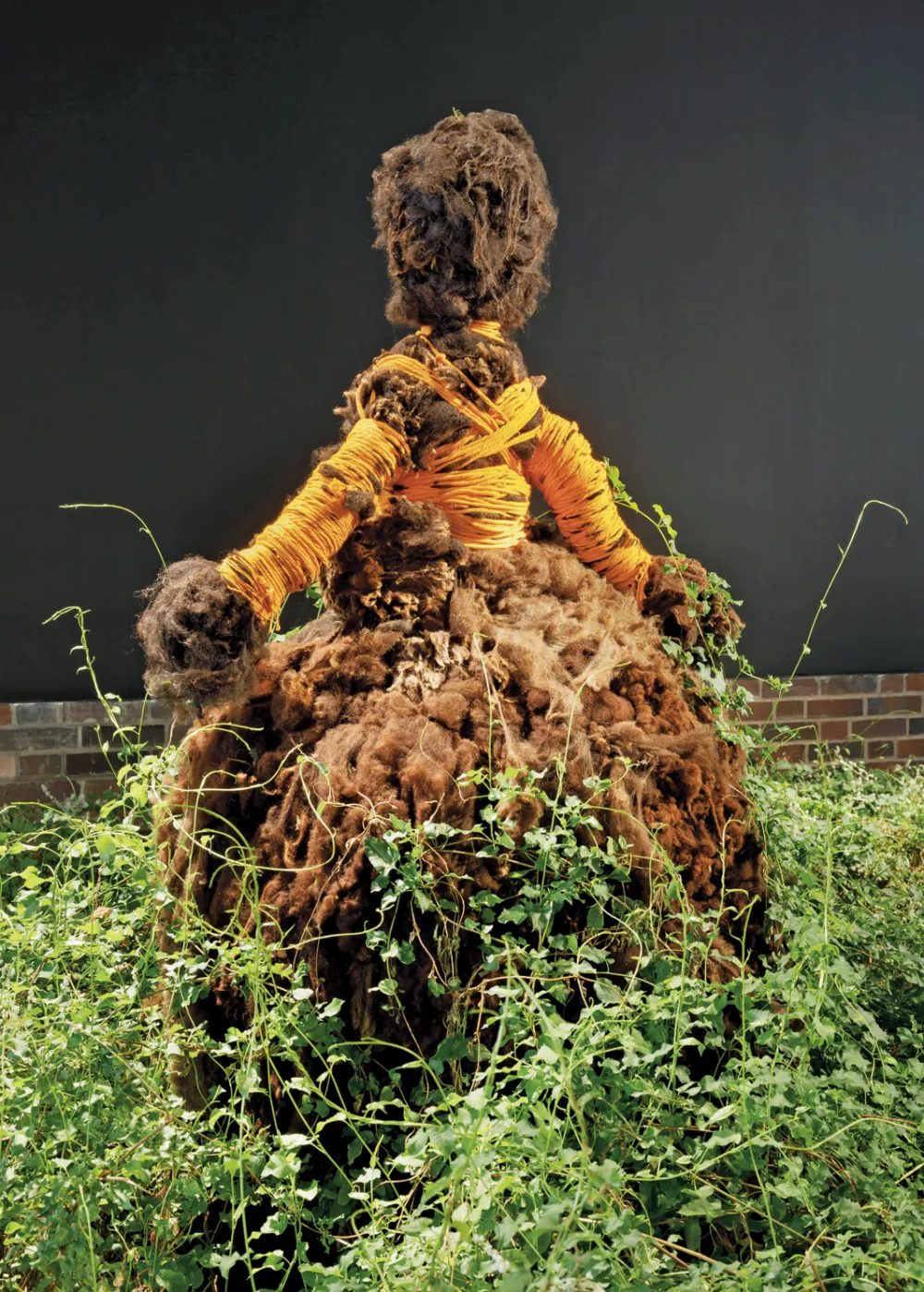
Precious Okoyomon, Angel of death, 2020, raw lambswool, dirt, wire, yarn. Earthseed, Zollamt MMK, Frankfurt. The sculpture is surrounded by Kudzu plants imported from Amsterdam. "In 1876, the United States government introduced the Japanese vine kudzu to Mississippi. The state was in danger of being lost entirely to widespread soil erosion brought about by the extensive cultivation of cotton by chattel slaves, and the vine—already notorious for the speed at which it grew—was deployed as a weapon intended to fortify the ground soil. Instead, kudzu—now thousands of miles away from its home in Japan—became monstrous, consuming everything in its vicinity and earning the epithet “the vine that ate the south.” The word kudzu has meanwhile become a metonymy for the threat of invasive species everywhere." - from the press release.
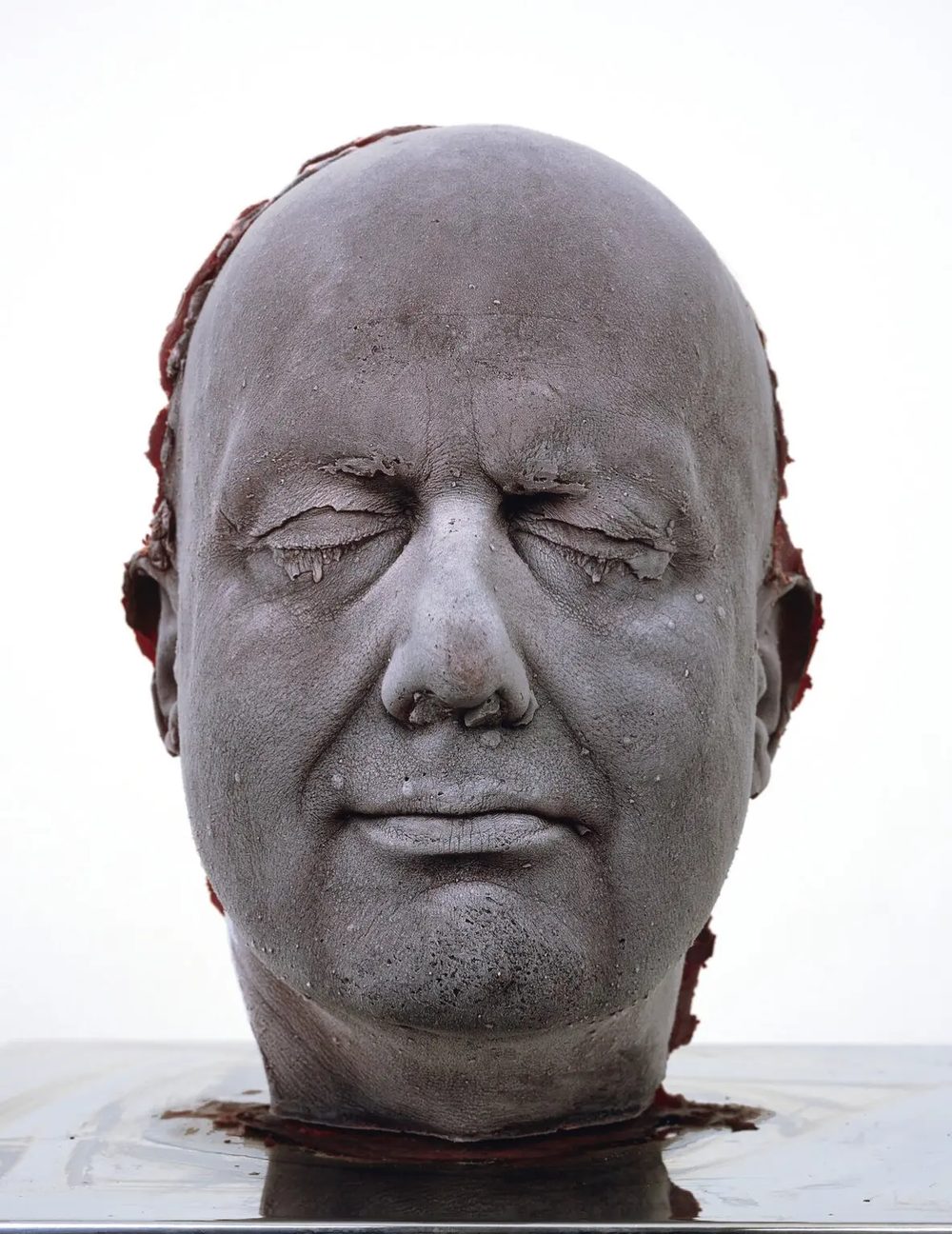
‘Self’, 2006, Marc Quinn, National Portrait Gallery. A self-portrait of the artist made from his own frozen blood. The work has to be maintained at an optimal temperature to prevent it from melting.
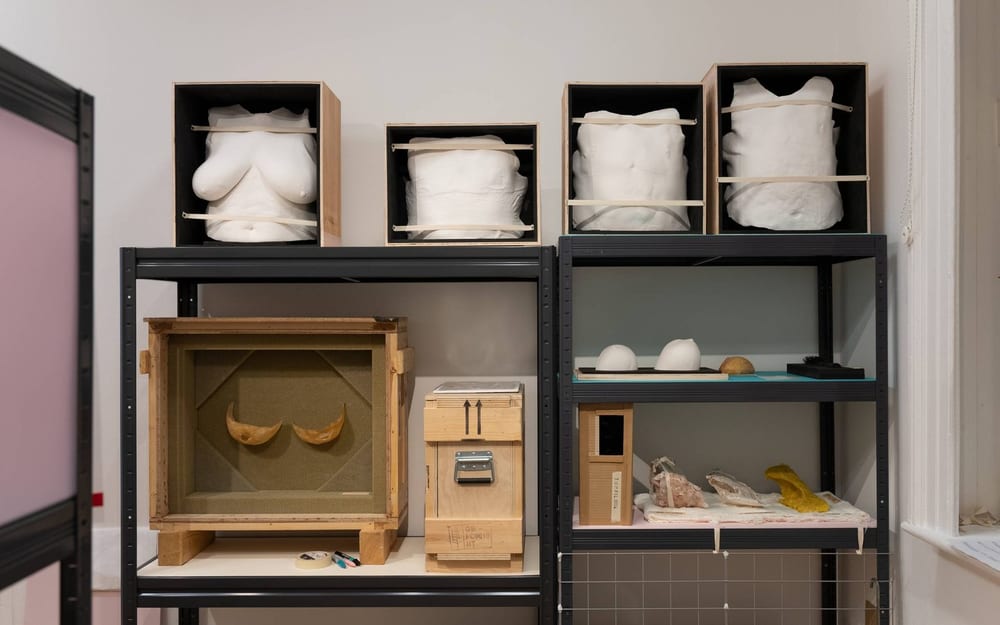
Top, Claye Bowler, 2022, Henry Moore Foundation. The installation held an archive of over 200 elements from between 2016-22. The sculptures, collected objects and materials record Bowler’s experience in waiting for, obtaining and recovering from Top surgery. “Documenting this process, the objects and materials on display reflect an experience of dysphoria – a state of unease or dissatisfaction with life, often relating to the body. Through his sculpture, Bowler reveals his own experience of dysphoria, the emotions trans people can feel and some of his own coping mechanisms; before and during surgery, Bowler made casts of the body he wanted to have and see.” On the artist: “Claye Bowler (b.1995) is part of a generation of artists to emerge in Yorkshire over recent years who continue the important history of sculpture in this county. He follows a tradition of making that began in the 1960s, especially in the UK and the USA, in which artists use their own bodies as both a subject and a material. Approaching everything with a sculptor’s mindset, he makes objects, works on paper, video and performance – all of which are represented in this exhibition.” - Henry Moore Institute
The Body after Death
In this Mater conversation, artists Shahpour Pouyan and Elena Khurtova are in conversation with philosopher Mathew Rowe. They discuss graveyards as sites for hoarding bodies, as well as how different religions treat the body after death. They ask what is considered the waste / by-product in clay extraction.
— https://www.youtube.com/watch?v=OoQaftiwZQ0&t=224s
Dr. Heather Dewey-Hagborg is a New York-based artist and biohacker who is interested in art as research and technological critique. Her biopolitical art practice includes the project Stranger Visions, in which she created portrait sculptures from analyses of genetic material (hair, cigarette butts, chewed up gum) collected in public places. In 2024 she made ‘Is a Biobank a Home?’ - an installation in the form of a biobank which asks the audience to consider whether they know where their blood/tissues/cells/DNA are? What are the chains of possession, research and commodification that take place after a doctor has taken blood? The piece is about not getting answers, as the artist reached out to several companies and compliance offices asking specifically for records relating to samples they hold and how these have been used, each time being met with stand-off responses unwilling to provide any information. Dewey-Hagbord explains how these stores are very common, with varying laws across countries / states. Often the biomaterials are attached to a person’s medical record, meaning researchers will have access to learn all about the person whose biomaterials they have access to. When I spoke to the artist on the phone she mentioned how considering GDPR and the commodification of our online data, the materials of our body being potentially kept and sold for research throws up interesting questions relating to surveillance and privacy. Yet it is an area of data protection that most people don’t think about.
A description of the exhibition at the Cooper Hewitt museum reads: “Throughout the United States, facilities known as biobanks house the genetic information of millions of citizens. Filled with biological samples routinely collected at hospitals and medical centers, biobanks preserve our medical specimens for public and private research, often conducted with minimal informed consent. Artist and biohacker Heather Dewey-Hagborg considers the hidden homes of our DNA with an installation comprised of three works. Banked explores the architectural and cultural footprint of these spaces while searching for the location of her own biological specimens, beginning with her “blood spot card”—the blood drawn at birth from every newborn to be screened for disorders. Correspondence Song tracks the artist’s exchanges with medical institutions and third parties as she attempts to track down her samples, and Self-Portrait (Pathology) is constructed from specimen slides she obtained when requesting samples of her own bloodwork stored in the medical institution’s biobanks. Dewey-Hagborg’s investigation addresses the potential lives of our DNA at the intersection of surveillance, cutting-edge science, privacy, and legal and ethical concerns.”