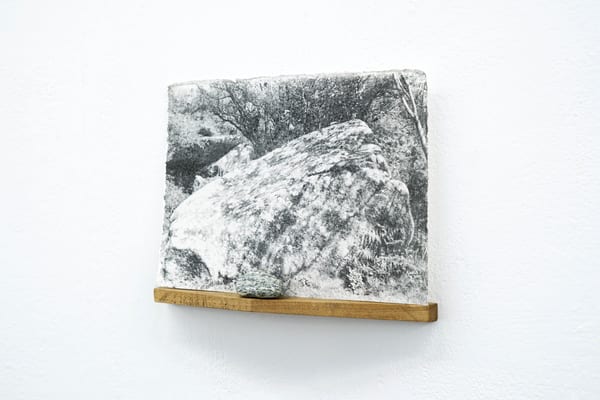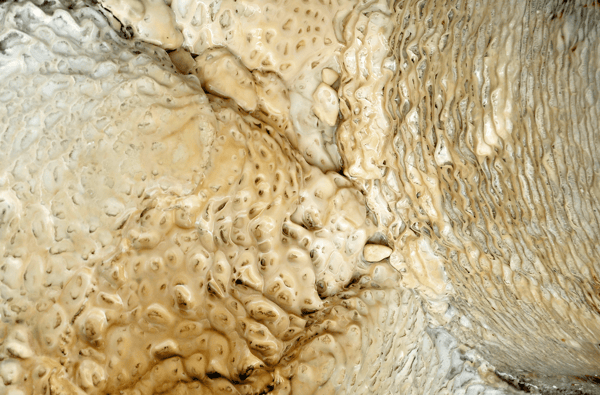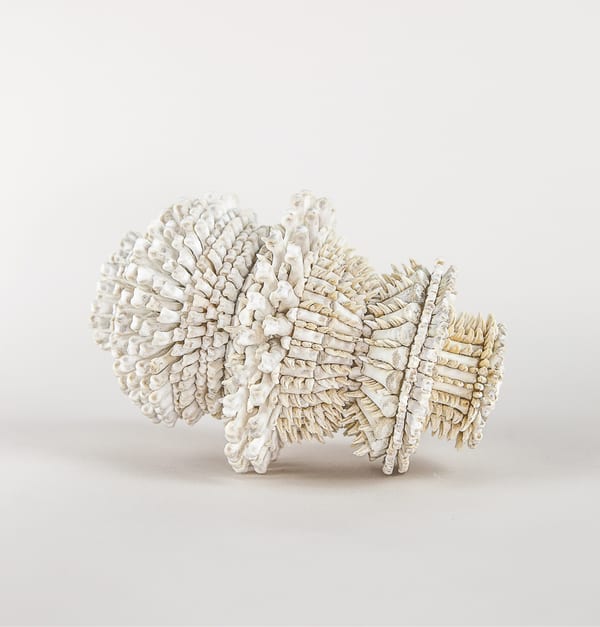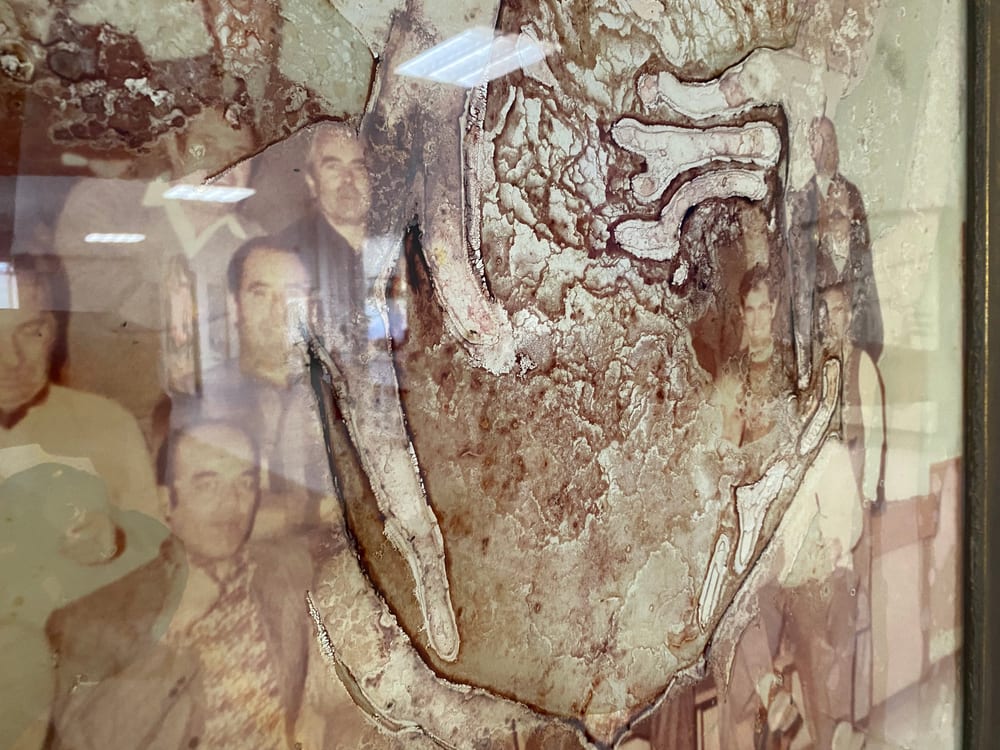
One of my favourite objects at PADA Artist Residency in Barreiro, Lisbon. It is a large framed photograph haning on the walls of the studios. It was found in the abanodoned industrial area. The faded photo depicts a historic group of people who once worked in the indstrial park. The ink has bled over the years while the photgraph was exposed to the elements.
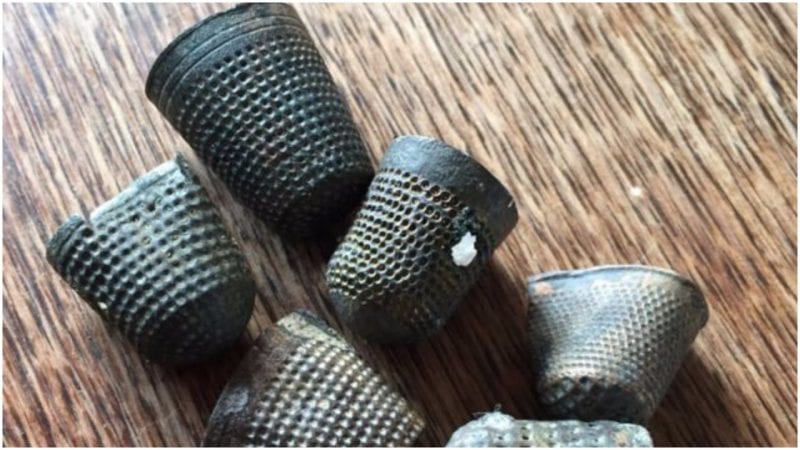
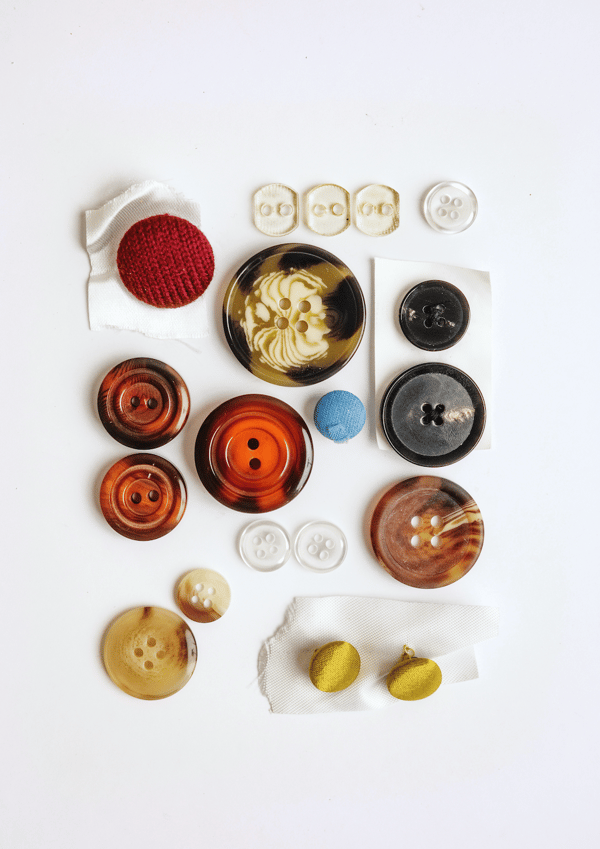
Thimbles. Lara Maiklem (London Mudlark) is known for her writing on mudlarking. Mudlarking is a historic practice where people would drop down to the Thames foreshore at low tide and scavenge for objects of personal, historical or monetary value. It is an ongoing practice as objects are renewed at every low tide due to the water at high tide constantly carrying new materials up to the shores. The practice has become hugely popular once more, though there are rules and guidelines for those planning to mudlark today safely/legaly. Maiklem has been mudlarking since 2012. She was elected a Fellow of the Society of Antiquaries of London in 2022.
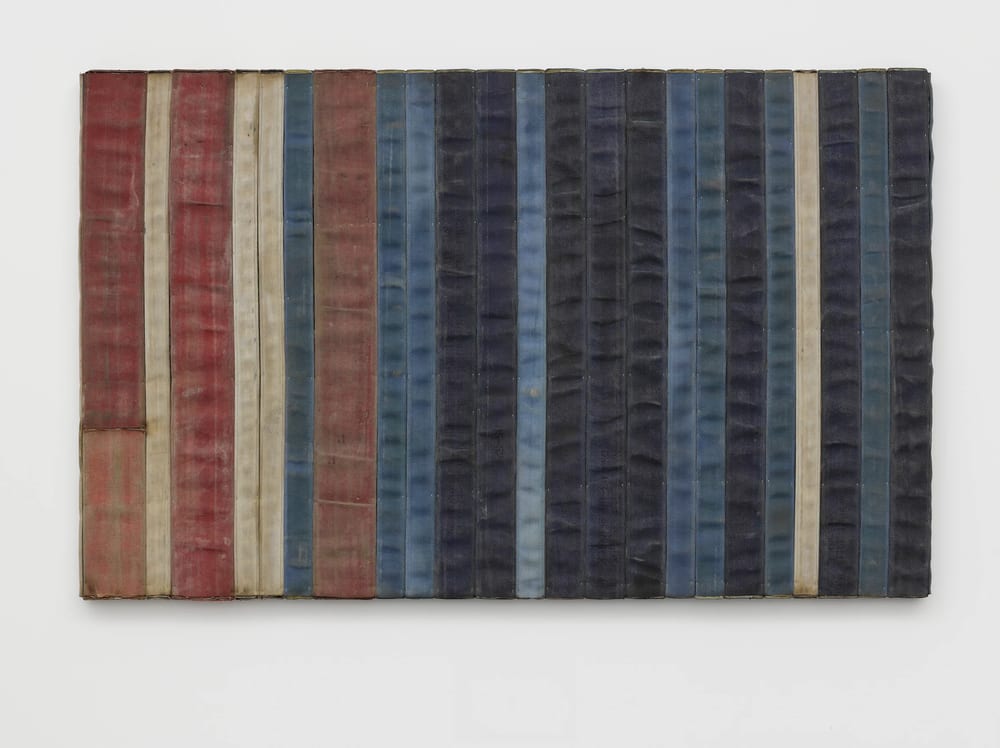
Theaster Gates, Flag (2012), Decommissioned fire hose, 149.9 x 241.3 x 10.2 cm
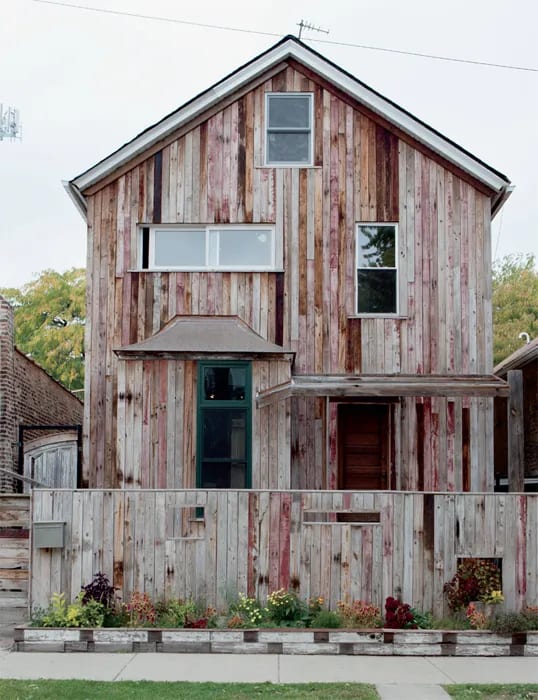
Exterior view of the Archive House at Theaster Gates’s Dorchester Projects, 2009. The abandoned property was restored using reclaimed materials. It functions as a library, exhibition & community space. "While employed as a city planner and academic at the University of Chicago Gates had, he explained to me as he drove, become haunted by a fundamental question: why is it so often that the people with the least amount of imagination and the most concern for the bottom line – real estate developers – get to choose how to transform derelict urban areas? Why not the people who might care about those areas most: the citizens who grew up there and live there? [..] To answer this question Gates had some years earlier begun buying one or two of the empty houses along the street where he lived [..] he had transformed those houses into places of rough-edged beauty, using reclaimed wood and repurposed furniture. He filled the first – the Archive House – with 14,000 art books bought from a shutdown bookstore. The second – the Listening House – housed all the LPs he had saved from a once-famous local record shop, Dr Wax. He created a soul food kitchen between them, and opened them up to the public." - The Guardin (2025)
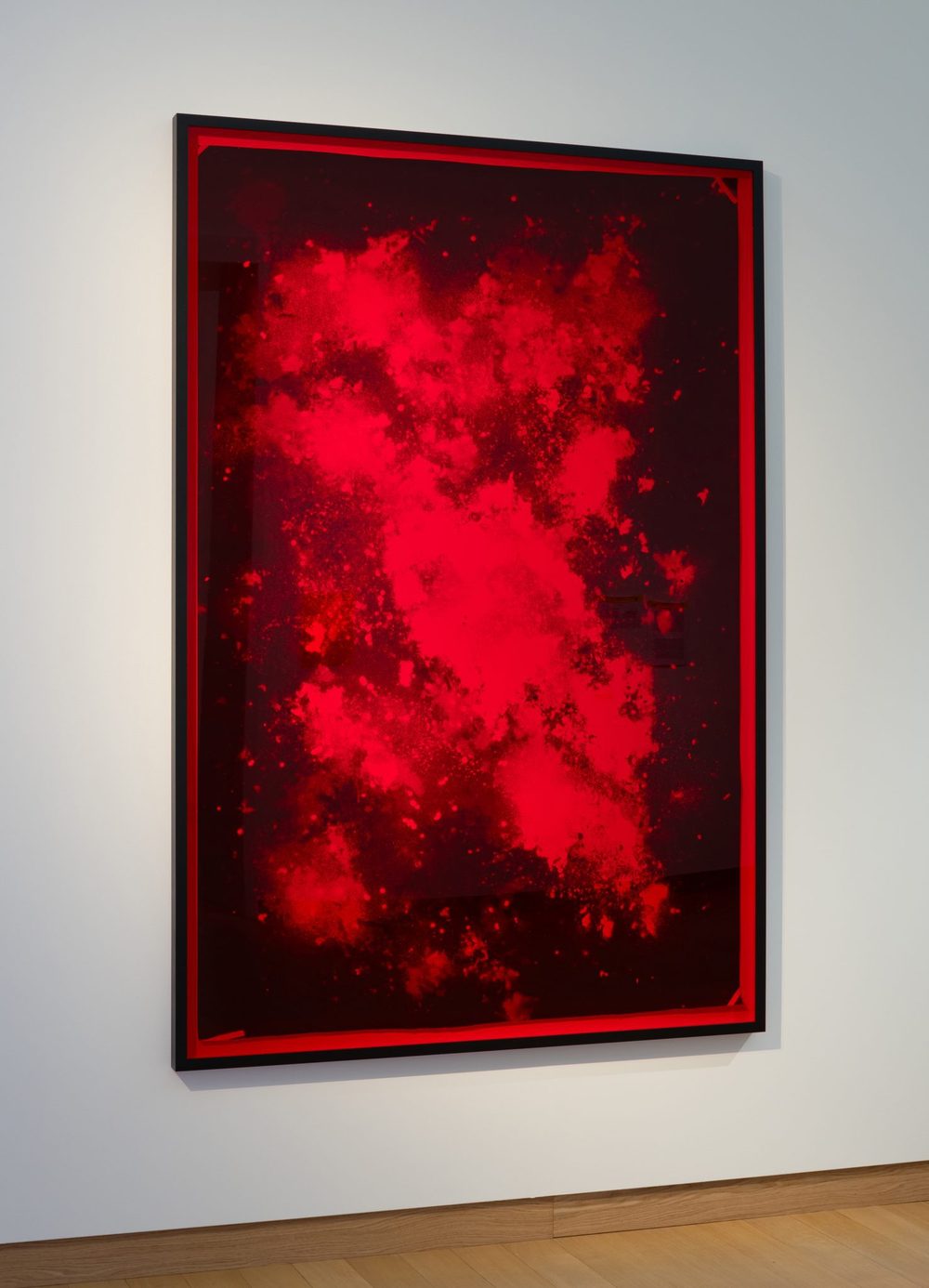
Artwork | Semâ Bekirovic, Unfixed Galaxies, 2018-2024 (framed). Unfixed analogue photographic prints, framed behind red glass.
"For the work Unfixed Galaxies Bekirović asked the cleaners of the Stedelijk Museum to save the dust from their vacuum cleaner bags. She placed this dust on a large sheet of photographic paper in a dark room. The paper was then exposed, developed, but not fixed. As a consequence the images remain light-sensitive, meaning that they will disappear completely if exposed to daylight for any length of time. This process of light exposure is slowed by displaying the photograph behind red plexiglass. Red light does not affect the photographic process. Although, eventually, the image will fade away.
Bekirović sees the vacuum cleaner dust as a gathering of visitors, employees, and artworks. The dust largely consists of skin cells and small particles of art, after all. By developing and not fixing the prints, Bekirović emphasizes the transience of both people and artworks."
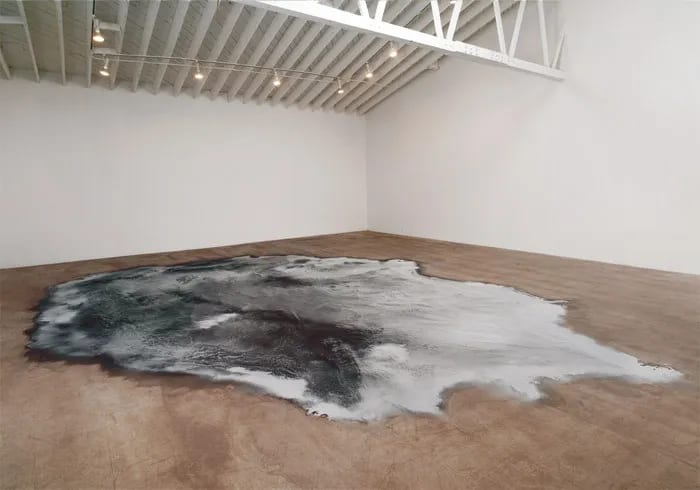
Roger Hiorns, *Untitled*, 2008-, atomized passenger aircraft engine, dimensions variable.
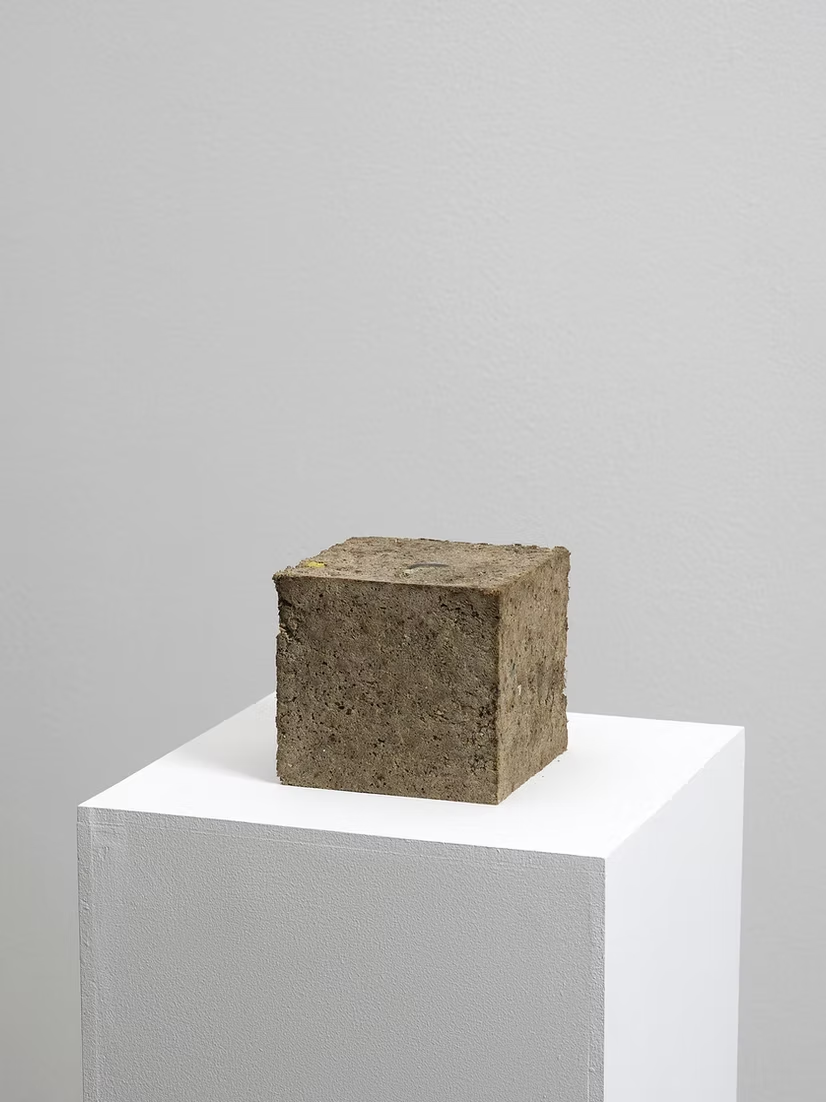
Artwork | Gala Porras-Kim, 'The Michael C. Rockefeller Wing at the Met 1982–2021' fragment, 2022. 9.5 x 9.5 x 9.5cm 'The Michael C. Rockefeller Wing at the Met 1982–2021 fragment is a cube made of dust and residue collected during deinstallation in the eponymous gallery at the Metropolitan Museum of Art. It sheds light on the physical conditions surrounding art while also questioning what is auxiliary to the “object” and under what circumstances the residue of a culture becomes an artifact.'