← Back
Story
1
Story
2
Image
3
Link
4
Link
5
Image
6
.png)
Link
7
Link
8
Image
9
Link
10
Link
11
Image
12
Note
13
Quote
14
Quote
15
The Mater Podcast
16
The Mater Podcast
17
The Mater Podcast
18
Story
19
Story
20
Story
21
Submit an entry
Pigment
21 items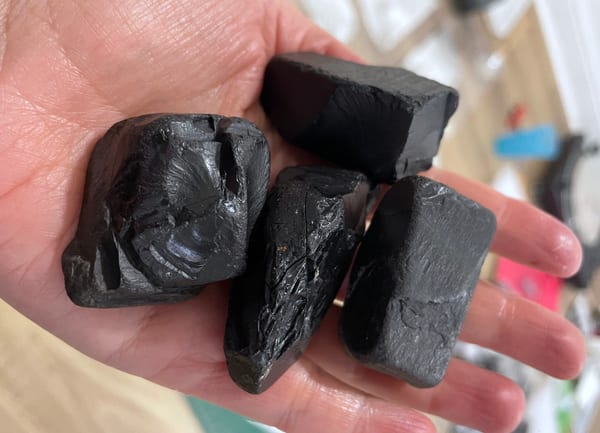
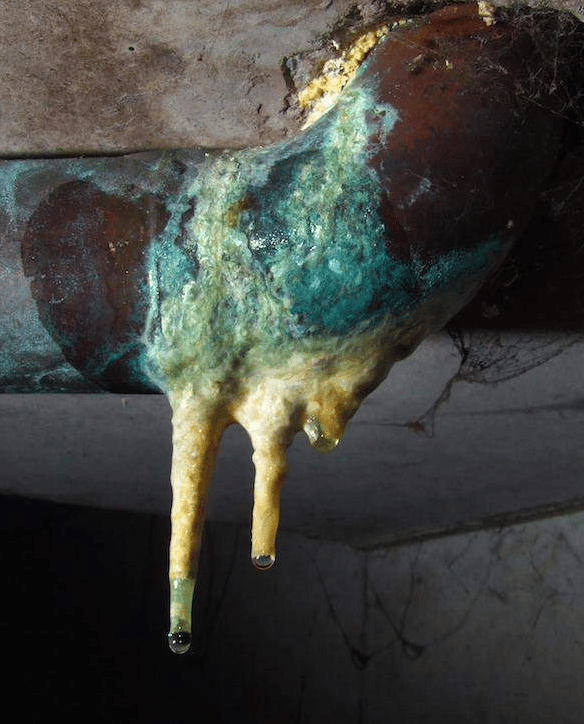
Calthemite formations with traces of copper and calcite. Found in an underground carpark.
Chalk under a microscope. Chalk is created by the accumulation of microscopic fossilised phytoplankton known as coccolithophores: composed of calcium carbonate.
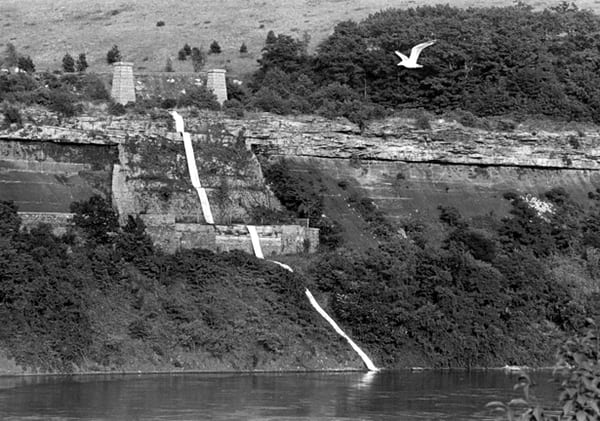
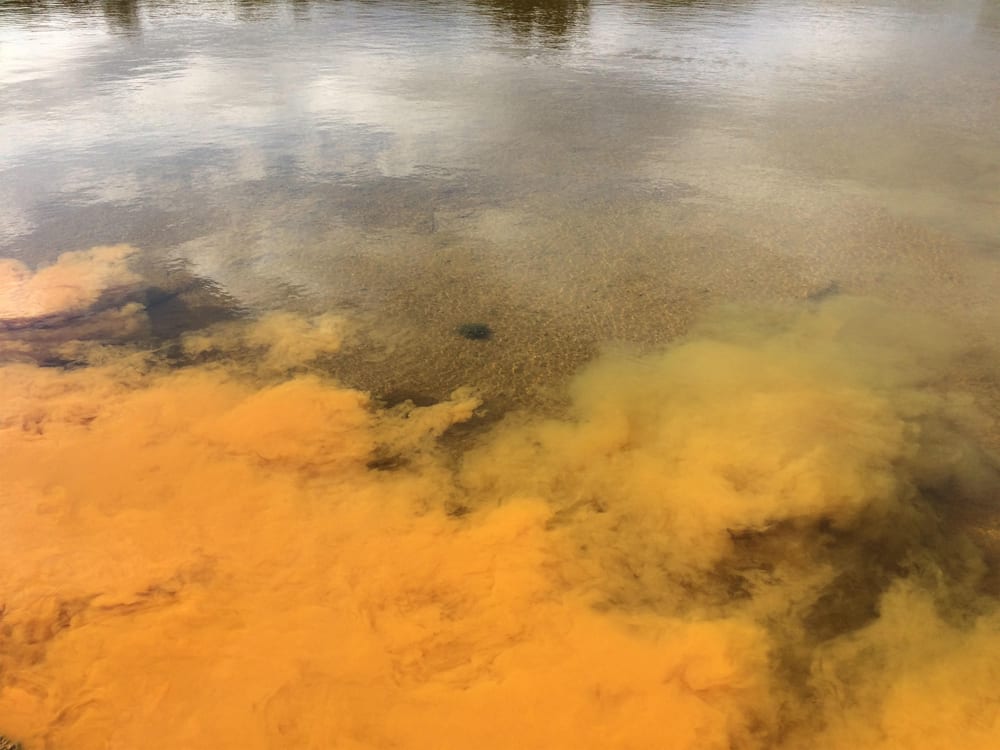
Artist | Onya McCausland, Turning Landscape. Paint made from mine water ochre. The research was developed by Onya McCausland and is now run as a collective community project CIC. ‘This research programme has involved intensive engagement with places where mining and quarrying is still shaping the landscapes to observe and document evolving knowledge of particular sites, their geology, the mineralogical peculiarities and the effect mineral extraction has on the contemporary landscape. Each ochre forming in each landscape is geologically distinct and can be seen as an index of a place - formed from the specific environmental, ecologic, geographic idiosyncrasies of that place only.’ - ++[https://turninglandscape.com/](https://turninglandscape.com/)++
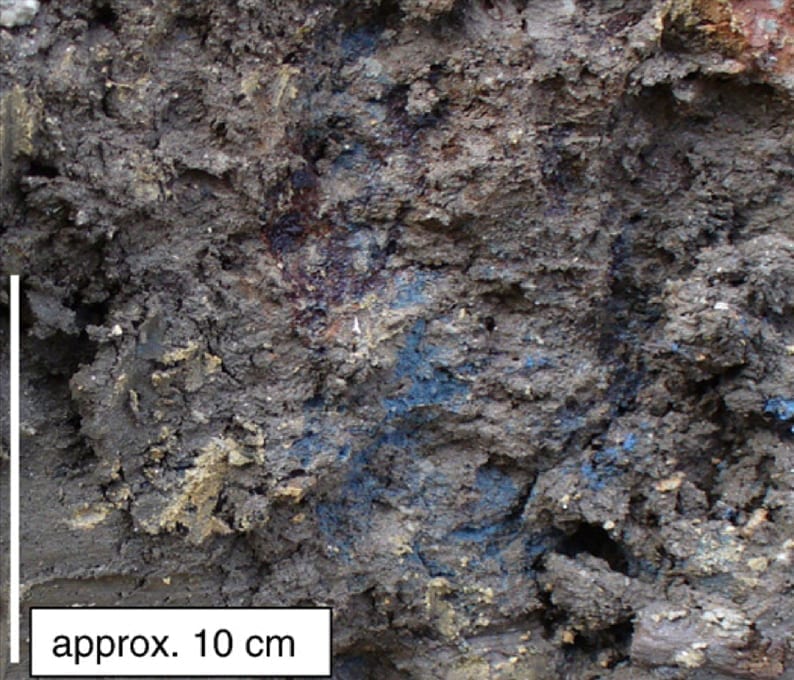
Vivianite forming in clays and silts in Bavaria, from Dill & Techmer (2009). The Pigment Timeline Project, Ruth Siddall, UCL
Mineral-based art materials: graphite, gold, kaolinite, silver.
Mineral-based pigments: hematite, orpiment, limonite, realgar, lapis lazuli, malachite, cinnabar, minium, litharge, vivianite, azurite.
Vivianite is a most curious one belonging to the group of magnetic pigments… It often goes by the name of Blue Ochre and, yes, it is an Earth pigment but not an ochre. It’s an aqueous iron phosphate that looks like almost transparent glass and only takes on its blue-gray color when ground. In paint it interestingly shifts from grey to blue to green. In 1979, the nearly complete mummy of a bison covered with a blue chalky substance was found in Alaska. That mineral coating of white vivianite was produced when phosphorus from the animal tissue reacted with iron in the soil. When the vivianite was exposed to air, it turned to a brilliant blue, earning the bison the nickname Blue Babe.
— Appendix I. 88 Pigments in chronological order, In Bed With Monalisa
Earthy vivianite deposits are found in peat bogs where iron-rich waters can react with phosphate in the organic matter to form the mineral. This seems the most likely source of the pigment used by Cuyp, since not only was peat abundant in the Netherlands but there was an active peat industry around Dordrecht as well as elsewhere in the Netherlands
— National Gallery Technical Bulletin, 2009. Albert Cuyp’s 'The Large Dort': Colour Change and Conservation. Marika Spring and Larry Keith