← Back
Story
1
Image
2
Image
3
Link
4
Link
5
Image
6
Image
7
Image
8
Image
9
Link
10
Note
11
Quote
12
Image
13
The Mater Podcast
14
The Mater Podcast
15
Submit an entry
Minerals
15 items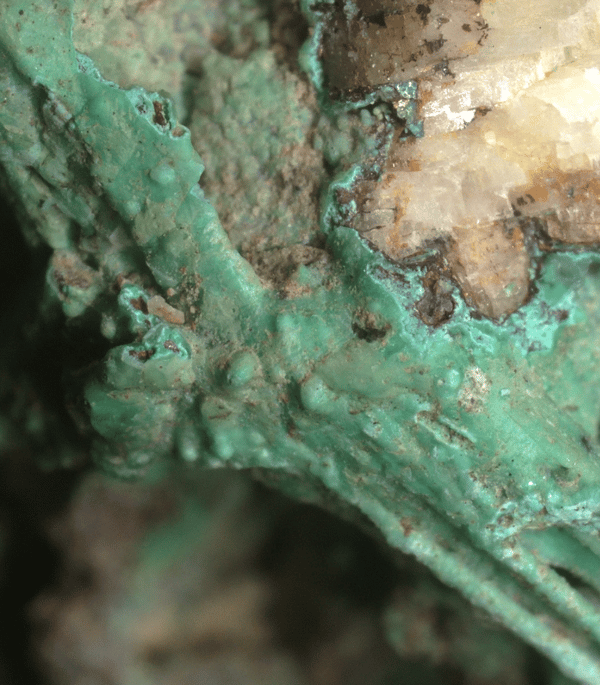
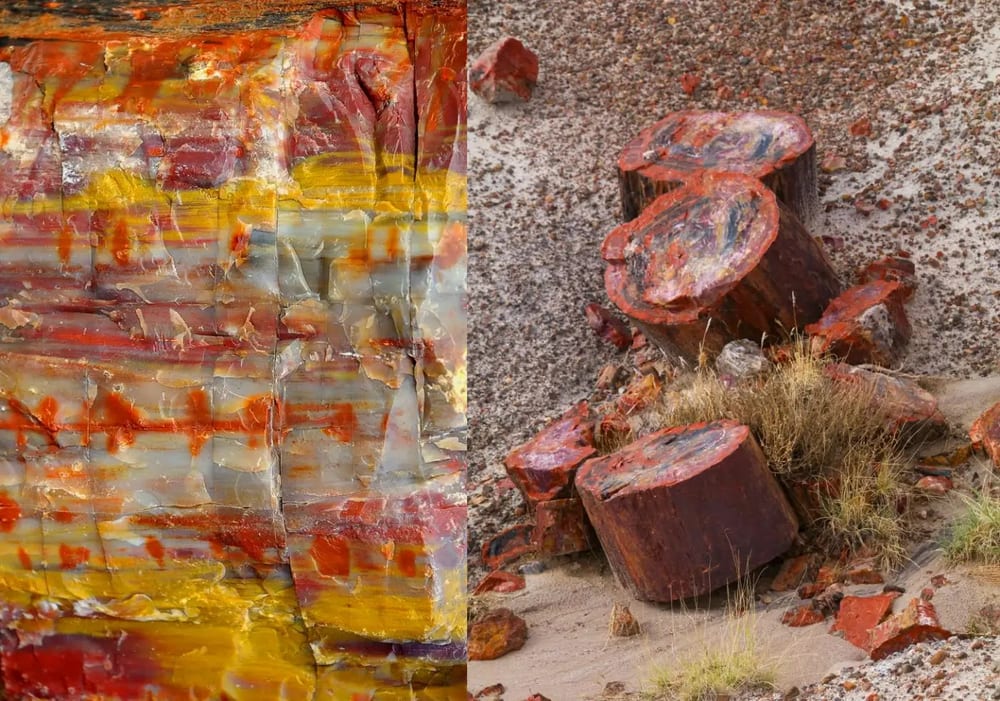
Petrified Wood | "the fossilized remains of ancient trees that have undergone a process known as silicification, where organic material is replaced by minerals, transforming the wood into stone." - EBSCO
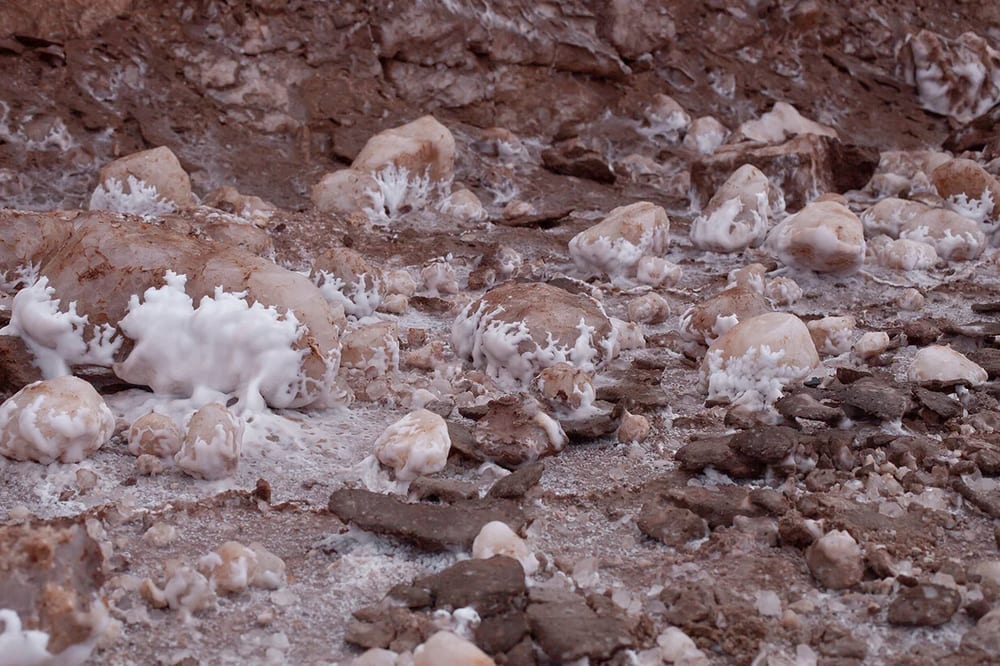
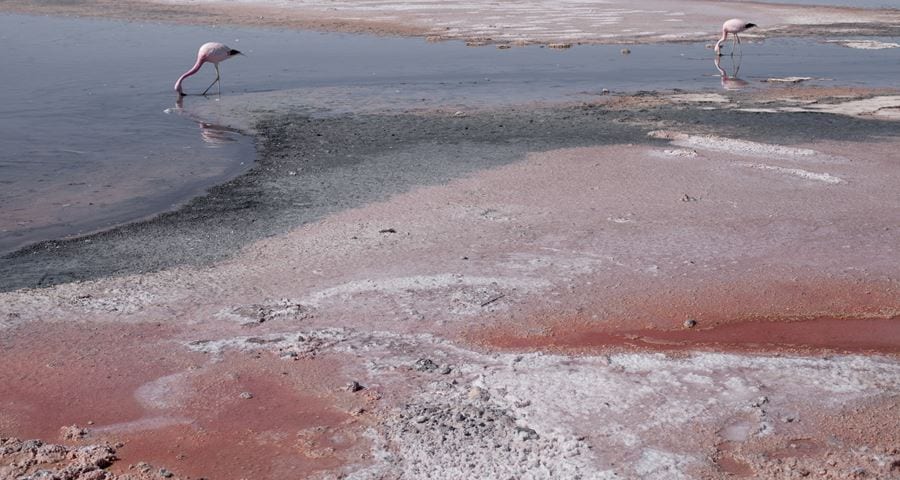
Formations at Dawn, Salt Imaginaries, Mále Uribe
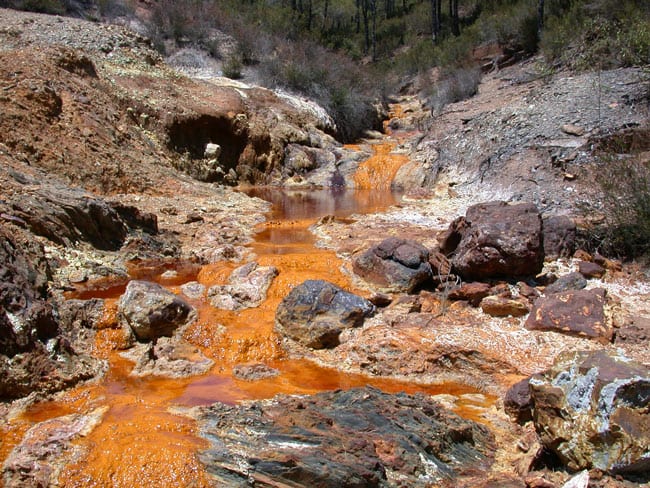
Rio Tinto river | Europe's largest open-cast mining area (mined for copper, tin, silver extracted from oxidised sulphides, mined in Tartessian times, heavily by the Romans, and still to this day) is upstream. According to NASA the Stained River "flows through an area unusually rich with sulfide ore deposits, which formed hundreds of millions of years ago when volcanoes were active in the area. When the metals in these buried deposits are exposed to water and oxygen, they produce acidic runoff that flows into streams and rivers. While the acid has made the Rio Tinto inhospitable to most types of life, it has made it more hospitable to sulfide-consuming bacteria and other extremophiles that amplify the acidification process. These organisms give the river its red hue by producing ferric iron, a rust-colored substance"
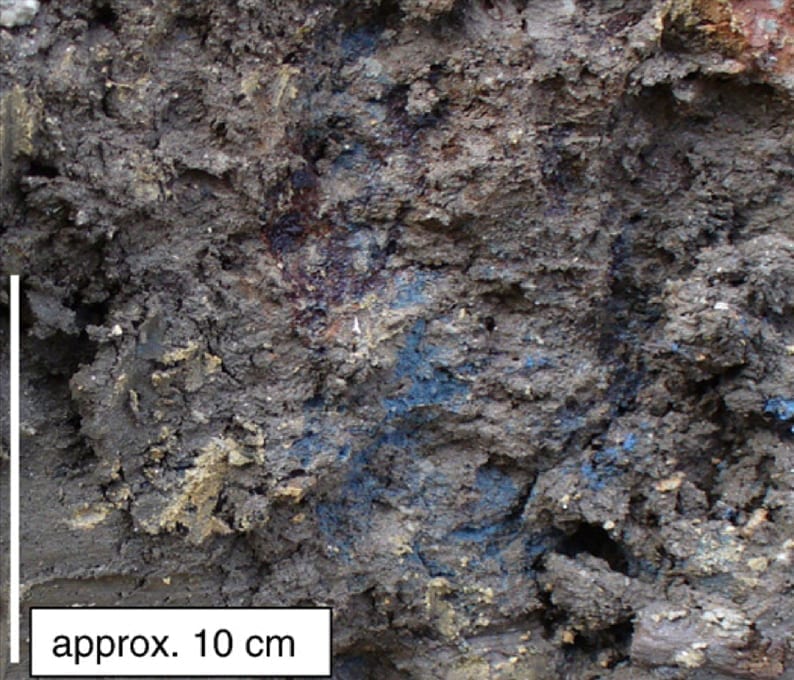
Vivianite forming in clays and silts in Bavaria, from Dill & Techmer (2009). The Pigment Timeline Project, Ruth Siddall, UCL
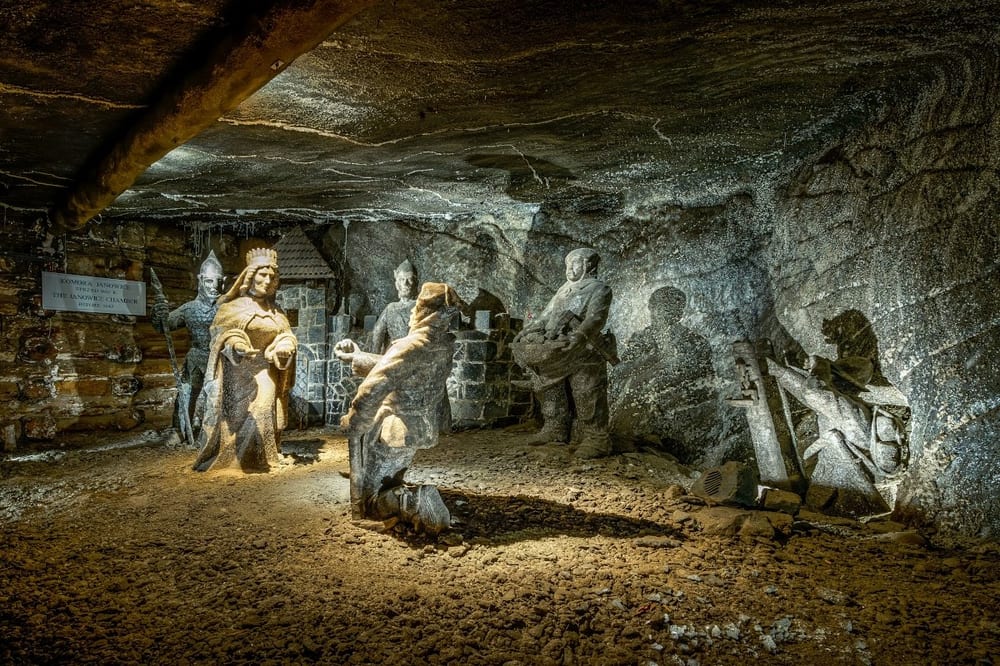
The Wieliczka Salt Mine in Poland features a vast underground world with chandeliers, altarpieces, and statues carved directly from rock salt by miner-artists.
Mále Uribe Forés, Salt Imaginaries. "Salt Imaginaries is a project that investigates new possibilities for disregarded materials, focusing on salt from the Atacama Desert in Chile."
Mineral-based art materials: graphite, gold, kaolinite, silver.
Mineral-based pigments: hematite, orpiment, limonite, realgar, lapis lazuli, malachite, cinnabar, minium, litharge, vivianite, azurite.
Vivianite is a most curious one belonging to the group of magnetic pigments… It often goes by the name of Blue Ochre and, yes, it is an Earth pigment but not an ochre. It’s an aqueous iron phosphate that looks like almost transparent glass and only takes on its blue-gray color when ground. In paint it interestingly shifts from grey to blue to green. In 1979, the nearly complete mummy of a bison covered with a blue chalky substance was found in Alaska. That mineral coating of white vivianite was produced when phosphorus from the animal tissue reacted with iron in the soil. When the vivianite was exposed to air, it turned to a brilliant blue, earning the bison the nickname Blue Babe.
— Appendix I. 88 Pigments in chronological order, In Bed With Monalisa
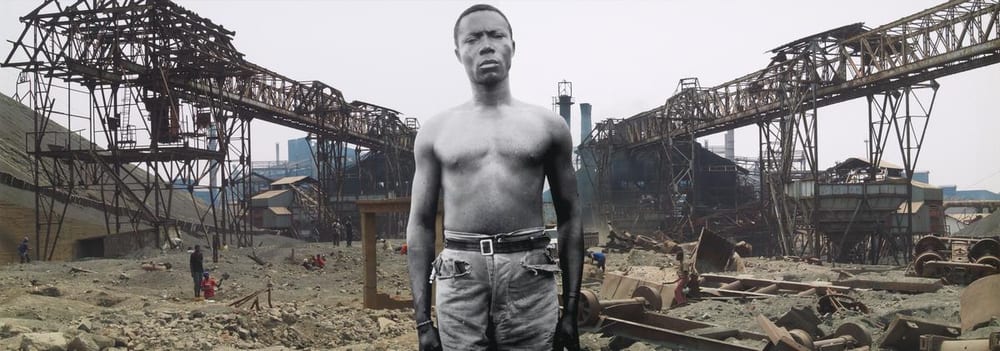
Sammy Baloji
Untitled 17, 2006, Photograph, inkjet print on paper, mounted on aluminium, printed 2020, Sammy Baloji. "Each work in the series is a digital photomontage in which archival images of Congolese labourers from the colonial period have been superimposed onto photographs taken by Baloji of the mineral mines located around Lubumbashi in the Democratic Republic of Congo, which are now in a state of decline and ruin" - Tate website. "Wood, rubber, ivory, diamonds, gold, cobalt, tin, copper, coffee, petroleum, gas, uranium, radium, tantalum: the Democratic Republic of Congo is a trove of natural resources. This has been used to justify a century and a half of brutal subjugation, from Leopold II of Belgium’s personal fiefdom to war-torn republic, exploited and extracted from by neighbouring and distant powers. The art of Sammy Baloji (b1978), who hails from the DRC’s southern Katanga province, explores the history and memory of his country, from the colonial era to present-day economic imperialism." - Studio International