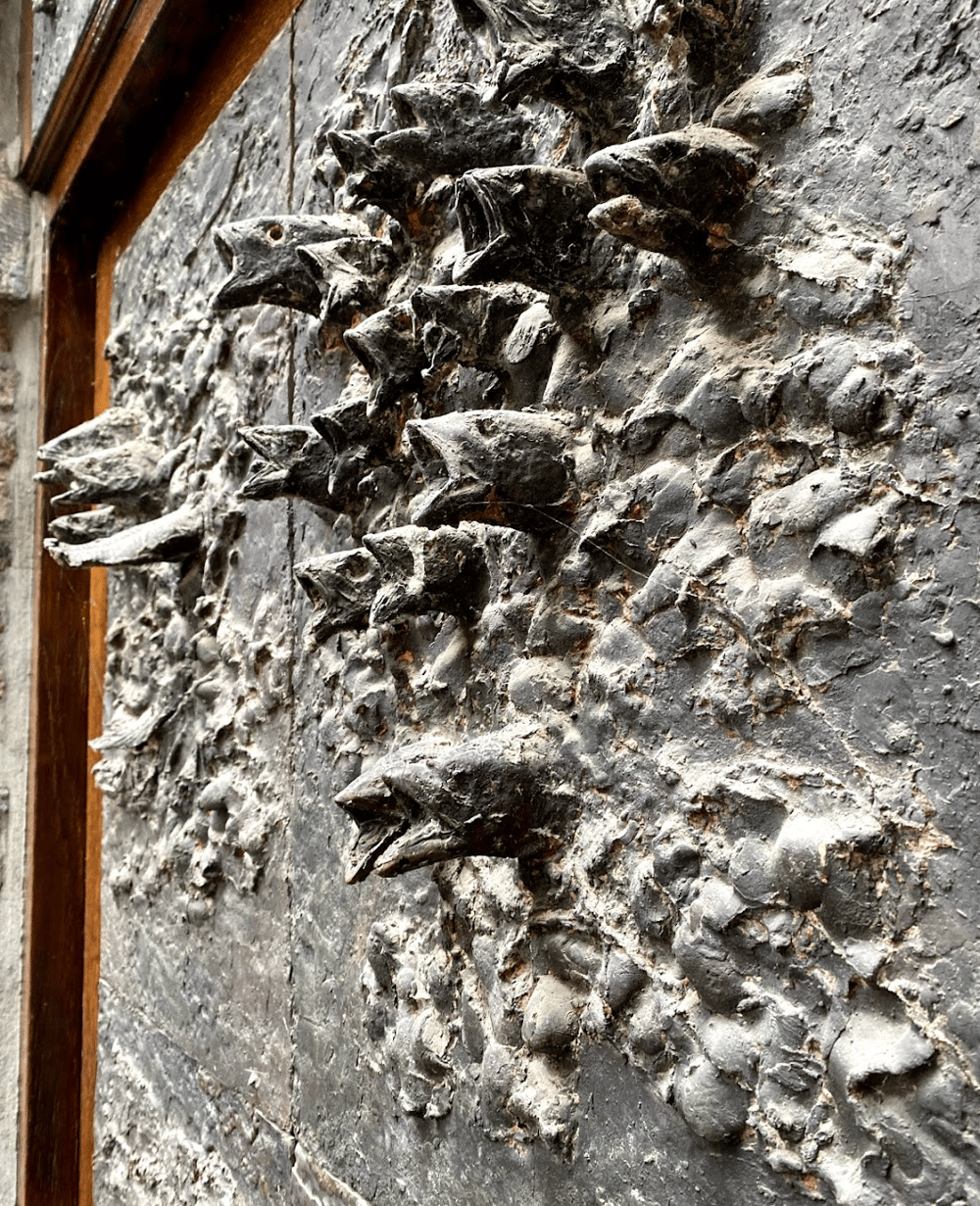
Bronze Portal Doors of the Natuurhistorisch Museum Maastricht, Han van Wetering. Thank you to the Natural History Museum Maastricht, for sharing this note about the creation of the doors: "Around 145 million years ago, there was no land here, but a shallow tropical sea: the Cretaceous Sea. Artist Han van Wetering (b.1948) incorporated the plant and animal life of this sea into the bronze portal doors of the Natuurhistorisch Museum Maastricht. [..] He used natural materials for this purpose: branches, leaves and fruits. You can even still see the strings that were used to tie all the materials together before they were joined and modelled with liquid wax. [..] The reason for these remarkable doors was a renovation of the museum. As a result, the entrance ended up at the end of a dark, dead-end alley. This called for a striking and welcoming entrance."
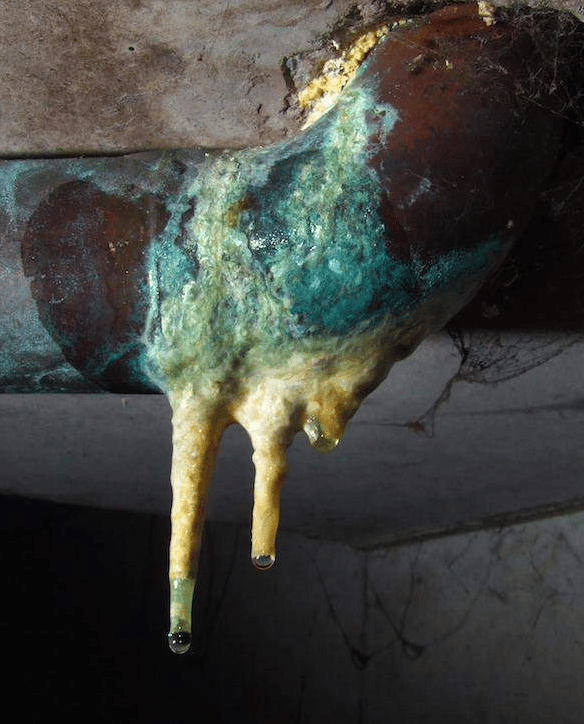
Calthemite formations with traces of copper and calcite. Found in an underground carpark.
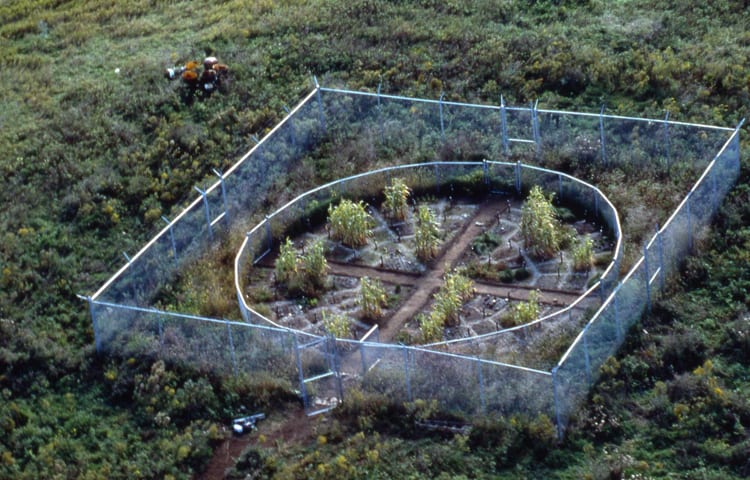
Mel Chin, 1991-ongoing, plants, industrial fencing on a hazardous waste landfill. An ongoing project in conjunction with Dr. Rufus Chaney, senior research agronomist, USDA. "field test using special hyperaccumulator plants to extract heavy metals from contaminated soil. Scientific analysis of biomass samples from this field confirmed the potential of “Green Remediation” as an on-site, low-tech alternative to current costly and unsatisfactory remediation methods. Despite soil conditions adverse to metal uptake, a variety of Thlaspi, the test plant with the highest capacity for hyperaccumulation, was found to have significant concentration of cadmium in its leaves and stems." - Mel Chin website
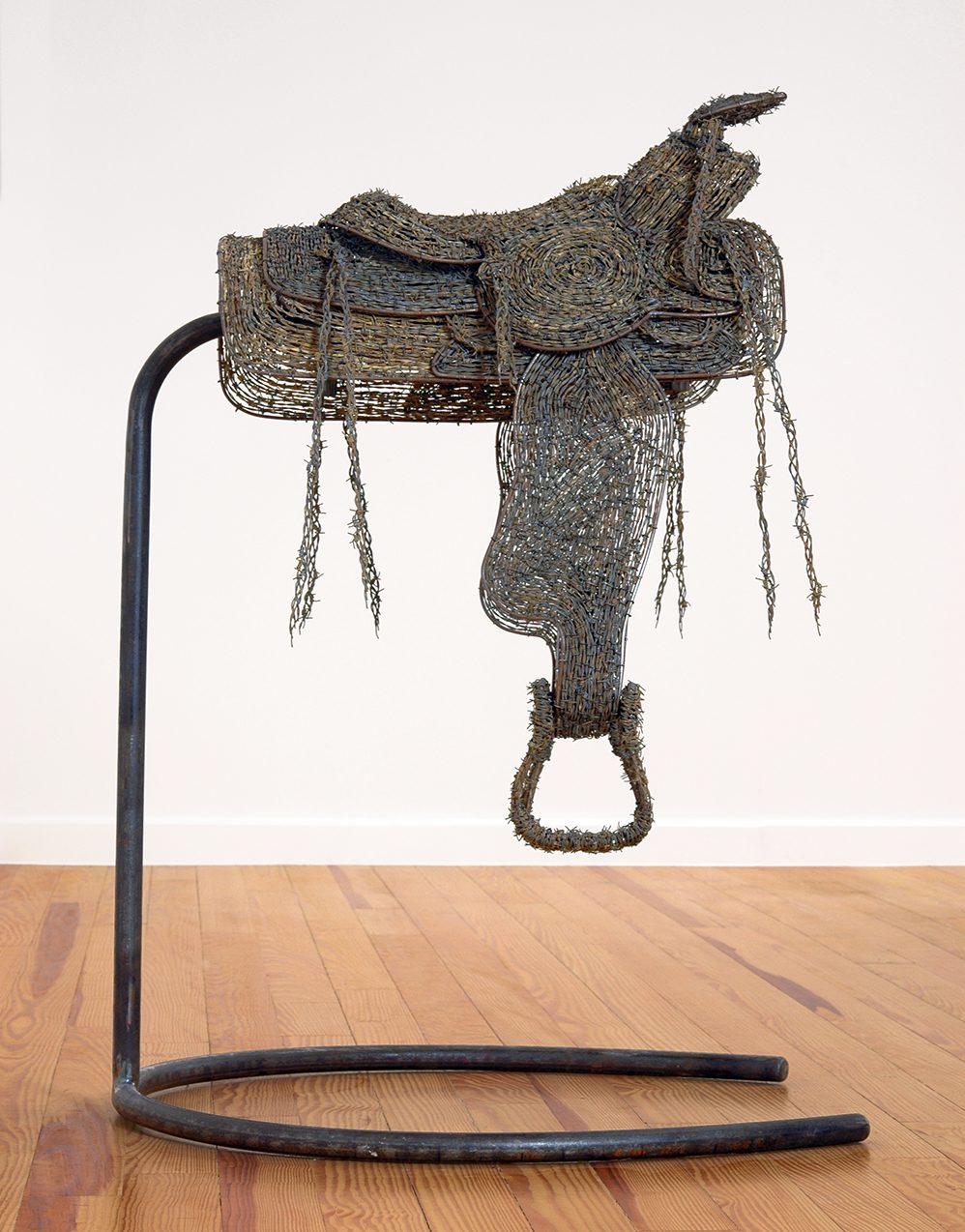
Artwork | Mel Chin, Rough Rider, 2002, barbed wire & steel
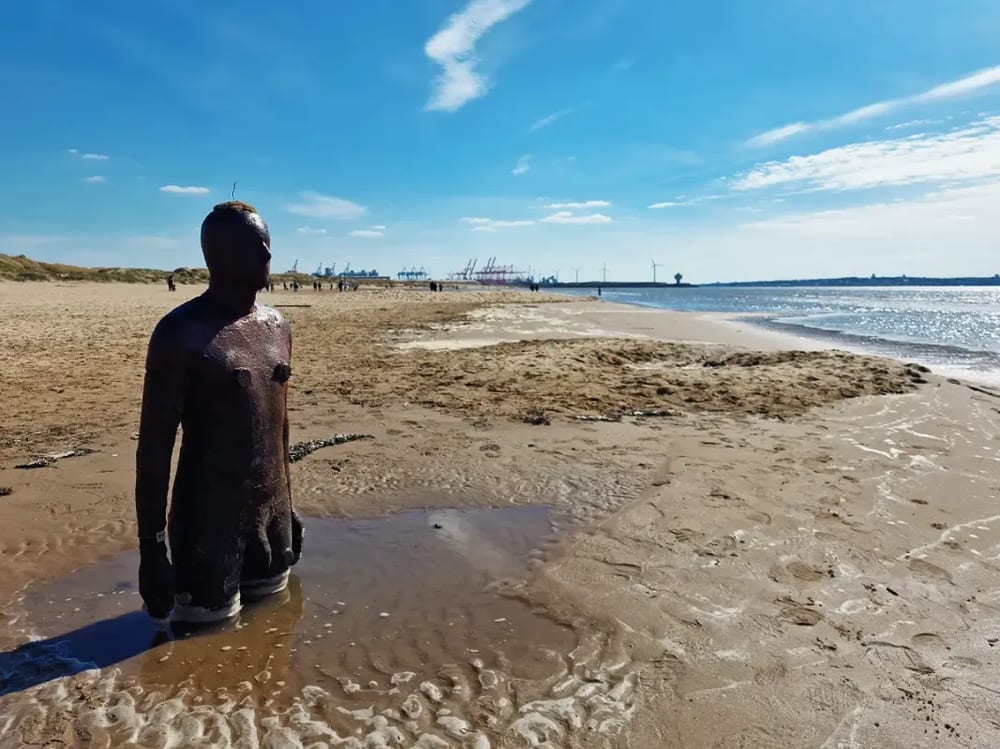
Artwork | Another Place, Anthony Gormley, cast iron
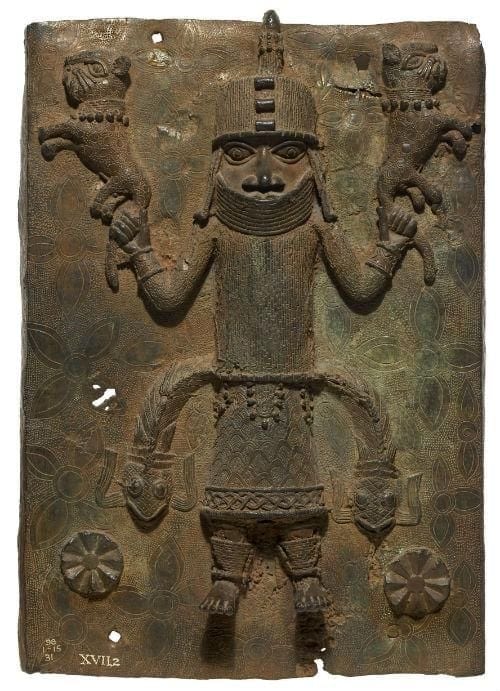
Benin Bronze | Cast brass relief plaque showing the Oba (king) sacrificing leopards as part of an annual ceremony to strengthen his mystical powers and to ensure the well-being of the Edo people (c. 1500s–1600s). Looted during the British Expedition to Benin City in 1897.
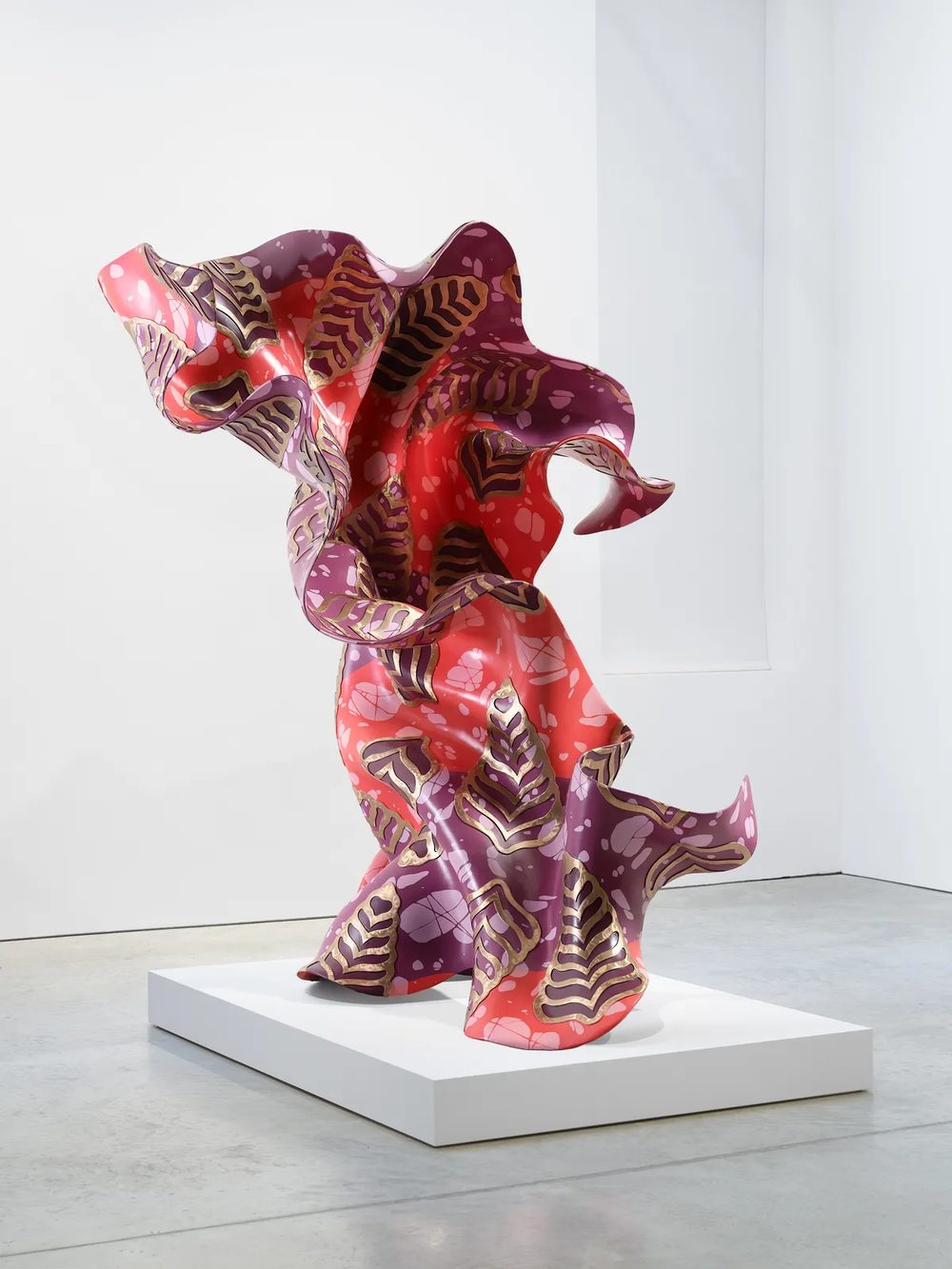
Yinka Shonibare, Wind Sculpture in Bronze II, 2023. Hand painted bronze, 200 x 150 x 137 cm
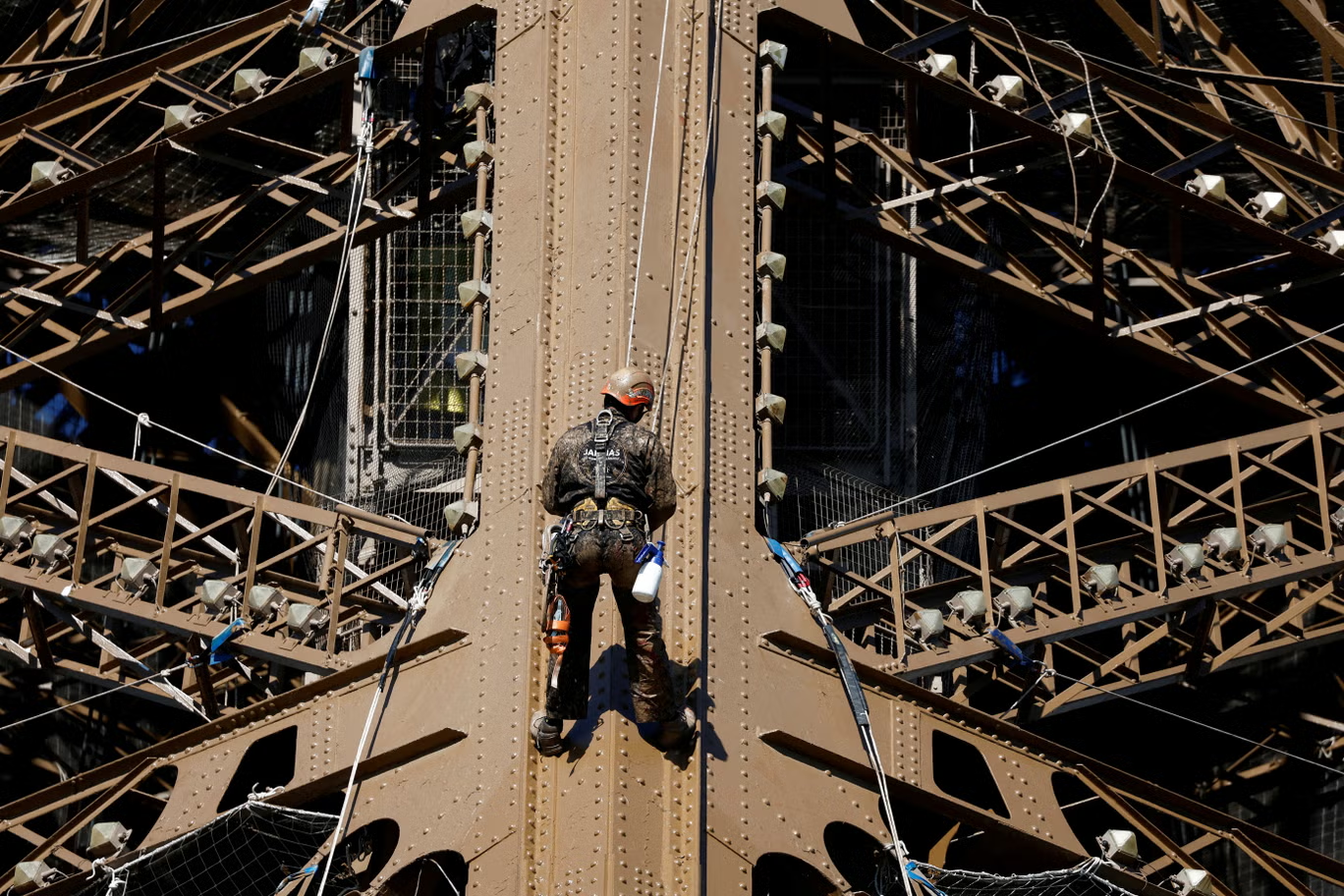
The Eiffel Tower, wrought-iron 324-metre, built by Gustave Eiffel in the late 19th century for the world fair. According to Reuters, "The Eiffel Tower is riddled with rust and in need of full repairs, but instead it is being given a cosmetic 60 million euro paint job ahead of the 2024 Olympic Games in Paris, according to confidential reports cited by French magazine Marianne." At the time of it's design, Eiffel himself stated that “Paint is the essential ingredient for protecting a metallic structure and the care with which this is done is the only guarantee of its longevity. The most important thing is to prevent the start of rust.”
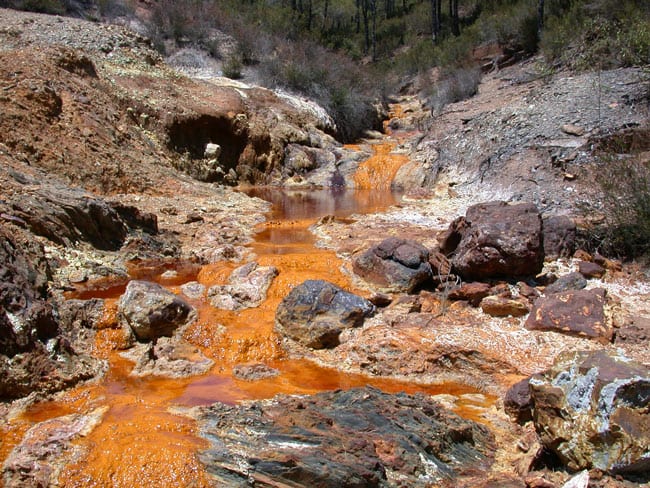
Rio Tinto river | Europe's largest open-cast mining area (mined for copper, tin, silver extracted from oxidised sulphides, mined in Tartessian times, heavily by the Romans, and still to this day) is upstream. According to NASA the Stained River "flows through an area unusually rich with sulfide ore deposits, which formed hundreds of millions of years ago when volcanoes were active in the area. When the metals in these buried deposits are exposed to water and oxygen, they produce acidic runoff that flows into streams and rivers. While the acid has made the Rio Tinto inhospitable to most types of life, it has made it more hospitable to sulfide-consuming bacteria and other extremophiles that amplify the acidification process. These organisms give the river its red hue by producing ferric iron, a rust-colored substance"
Metal is neither a thing nor an organism, but a body without organs.
— Deleuze, G. and Guattari, F. (1988) A Thousand Plateaus: Capitalism and Schizophrenia. Translated by B. Massumi. London: Athlone Press.
Steel, which I think of as suffocated ochre, is the key of the modern industrial-techno-global world, including colonial culture’s ability to expand, control, imprison and dominate—railroads, nails, chains, engines, drill bits, sewing needles, compasses, the backbone of civilization’s material, etc. Industrial steel gave us an ability to change a relatively stable climate era into an unstable mass crisis and extinction in just a few hundred years.
— Heidi Gustafson On Preserving Hundreds of Humanity’s Oldest Art Materials, Colossal
And now I want to turn my attention to an actual prison mine to talk about these intrasubjective modes of material experience. […] Building on the structures of property under slavery, convict lease labour extended the long arm of extraction over black subjectivity […]. Yet while steel and iron came onto the track shiny, bodies of the incarcerated routinely disappeared into the heaps of cast off matter at the shaft entrance. […] Minerality worked in the underground is transformed into flows of social power on the surface, continuing the enduring structural relation of subterranean racial ordering. The micro-spacialities of race in urban space were vertical, as the mines went down, the skyscrapers of the heaviest corner on earth went up between 20th street and 1st avenue north in The Magic City
— Kathryn Yusoff’s lecture Geo-Logics: Natural Resources and Necropolitics. Available on Youtube
Screens with ITO [Indium Tin Oxide] are known as capacitive touch screens, and work in a different way: there are conductive wires under the screen, carrying charges.
Touching the ITO screen with anything that can carry an electrical charge – like your finger – interrupts the flow of current, and another set of wires running perpendicular to the conductive ones sense the disruption. They send the feedback to the device to let it know where on the screen you’re touching.
ITO touchscreens, rather than the deforming type, are able to sense multiple points of contact, which gives rise to the pinching and swiping we are all now so familiar with.
— ITO Touch Screen Technology - itotouch.com
Every asphalt roadway and concrete structure contains fragments, often still readable, from the chronicles of prior geologic regimes, irreverently blended and reconstituted. The metals in our cars, phones, and computers, having been separated from their source rocks, are more akin to individual letters in a shredded manuscript, but still whisper of their deep geologic origins. All the coal, oil, and natural gas we’ve burned—the photosynthetic memories of earlier ecosystems—hovers now in the air, the ghosts of combustion that haunt us in the Anthropocene.
— Wrinkled Time The Persistence of Past Worlds on Earth by Marcia Bjornerud, Emergence Magazine