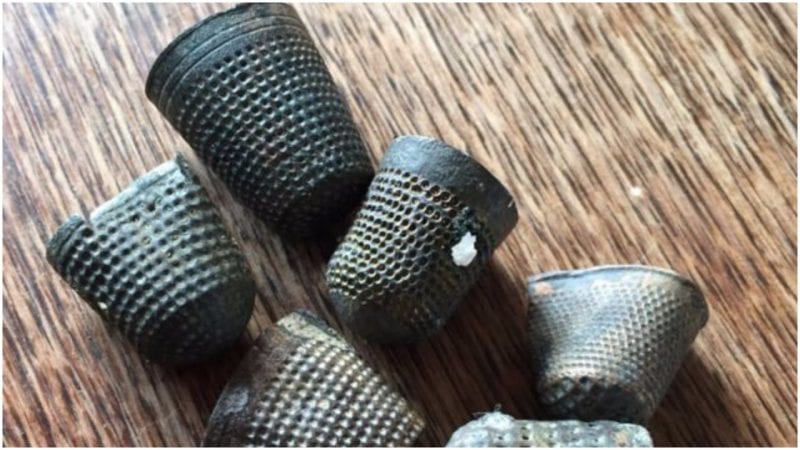
Thimbles. Lara Maiklem (London Mudlark) is known for her writing on mudlarking. Mudlarking is a historic practice where people would drop down to the Thames foreshore at low tide and scavenge for objects of personal, historical or monetary value. It is an ongoing practice as objects are renewed at every low tide due to the water at high tide constantly carrying new materials up to the shores. The practice has become hugely popular once more, though there are rules and guidelines for those planning to mudlark today safely/legaly. Maiklem has been mudlarking since 2012. She was elected a Fellow of the Society of Antiquaries of London in 2022.
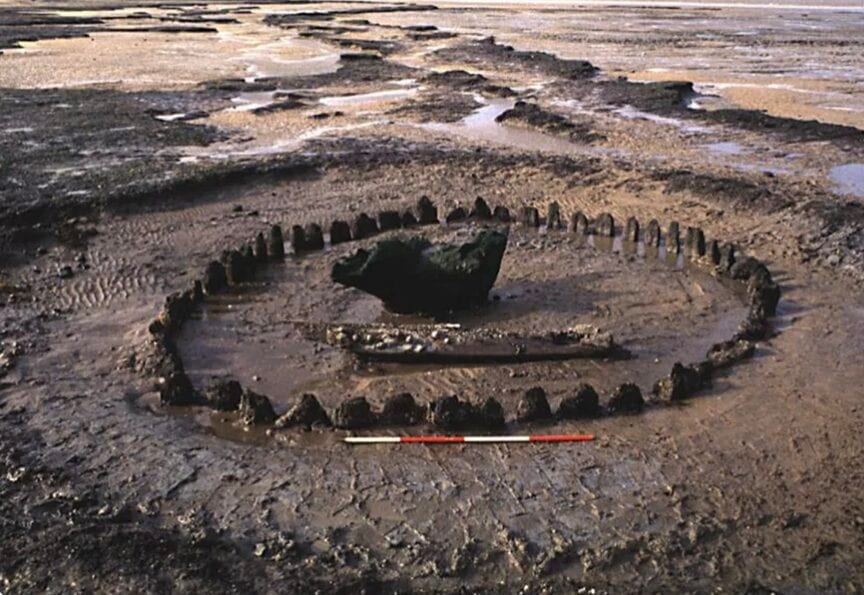
Seahenge | Bronze Age timber circle with upturned tree root in the centre. It had been buried under waterlogged anaerobic layers of peat and sand within a protective salt marsh but rising sea levels and coastal erosion pushed the shoreline inland. The remains were discovered in 1998, and controversially dug out to preserve from exposure to air.
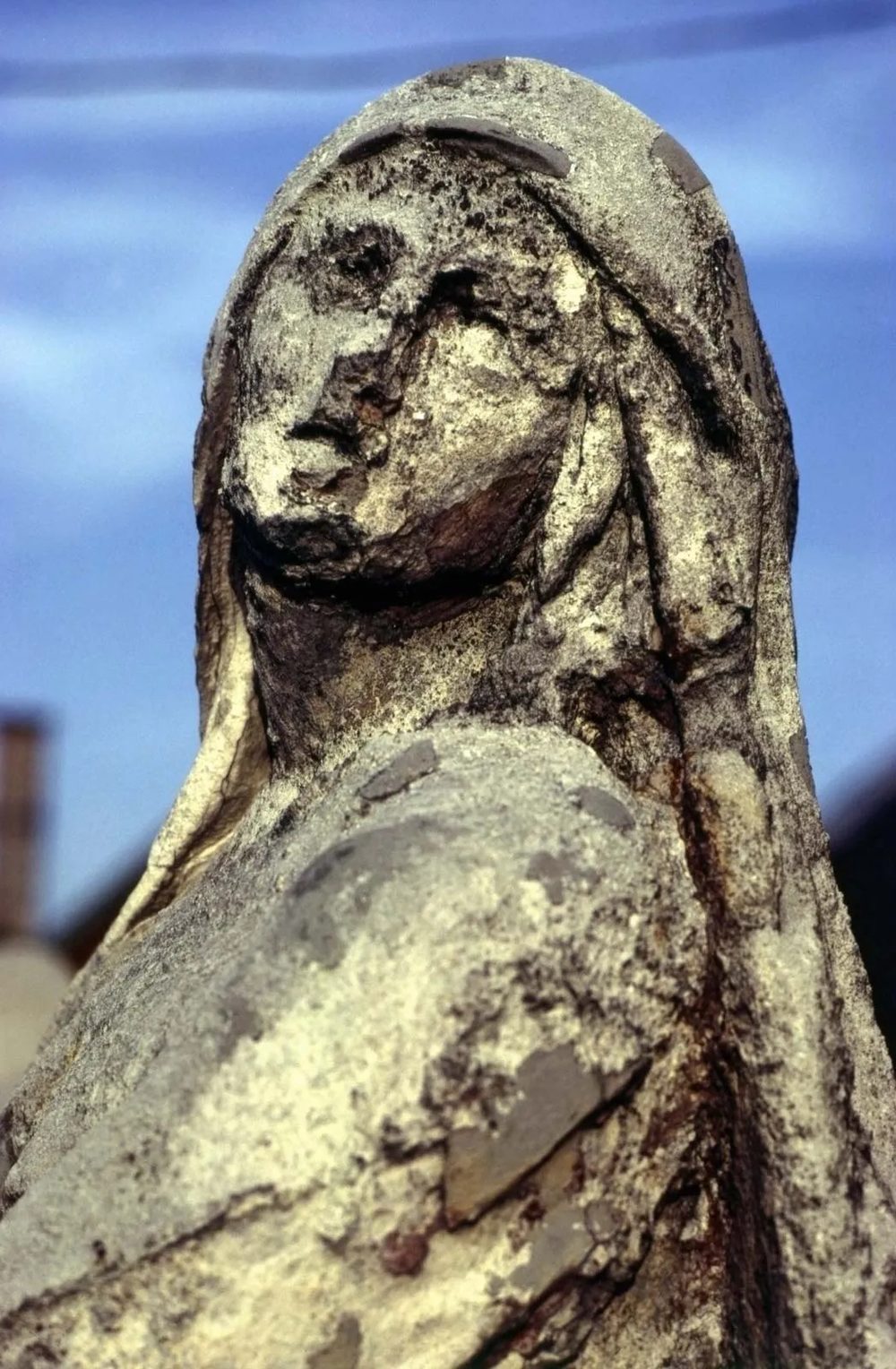
The effect of corrosion of statues. Acid rain can dissolve limestone and marble through direct contact.
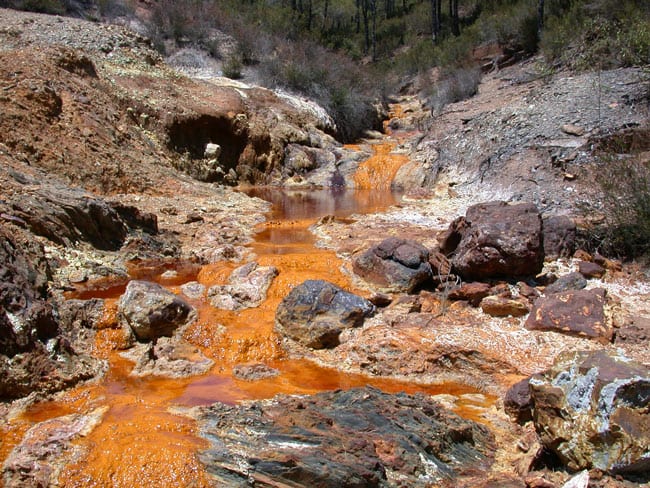
Rio Tinto river | Europe's largest open-cast mining area (mined for copper, tin, silver extracted from oxidised sulphides, mined in Tartessian times, heavily by the Romans, and still to this day) is upstream. According to NASA the Stained River "flows through an area unusually rich with sulfide ore deposits, which formed hundreds of millions of years ago when volcanoes were active in the area. When the metals in these buried deposits are exposed to water and oxygen, they produce acidic runoff that flows into streams and rivers. While the acid has made the Rio Tinto inhospitable to most types of life, it has made it more hospitable to sulfide-consuming bacteria and other extremophiles that amplify the acidification process. These organisms give the river its red hue by producing ferric iron, a rust-colored substance"