← Back
Story
1
Image
2
Story
3
Image
4
Image
5
Image
6
Image
7
Image
8
Link
9
Image
10
Link
11
Link
12
Image
13
Image
14
Image
15
Link
16
Quote
17
Image
18
The Mater Podcast
19
The Mater Podcast
20
The Mater Podcast
21
Story
22
Submit an entry
Paint
22 items
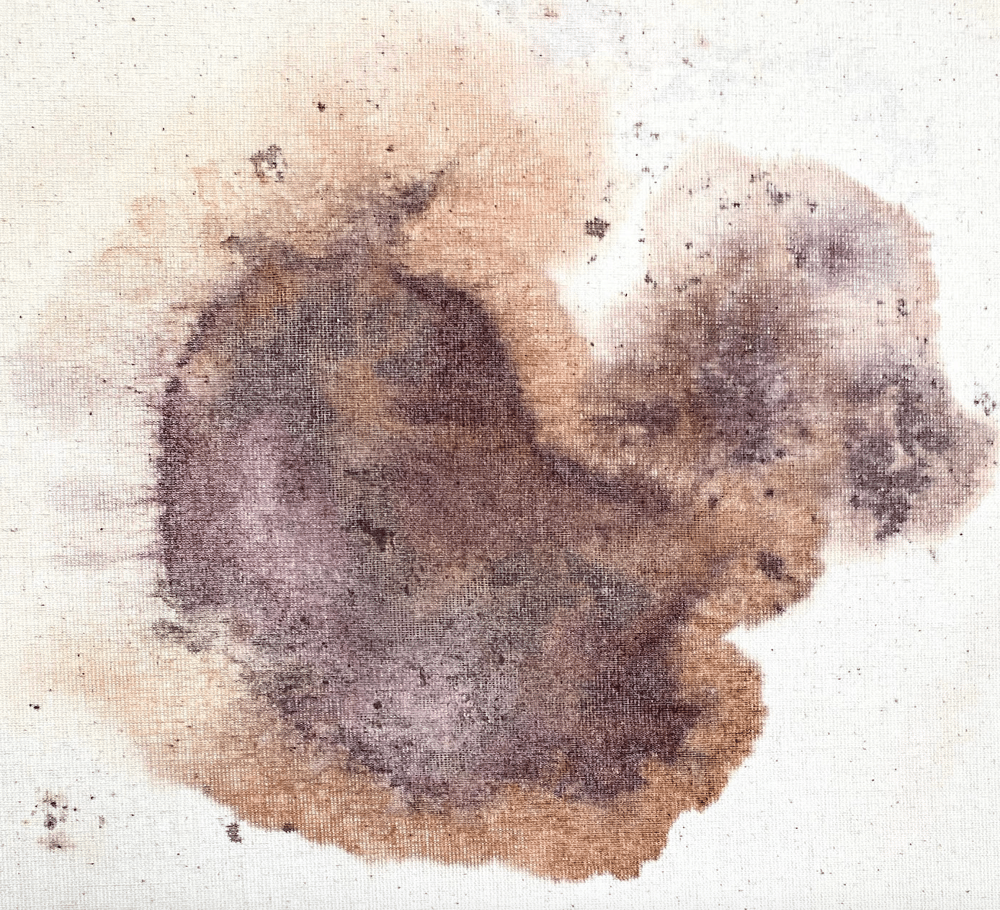
Paint seeping through to the back of an unprimed canvas
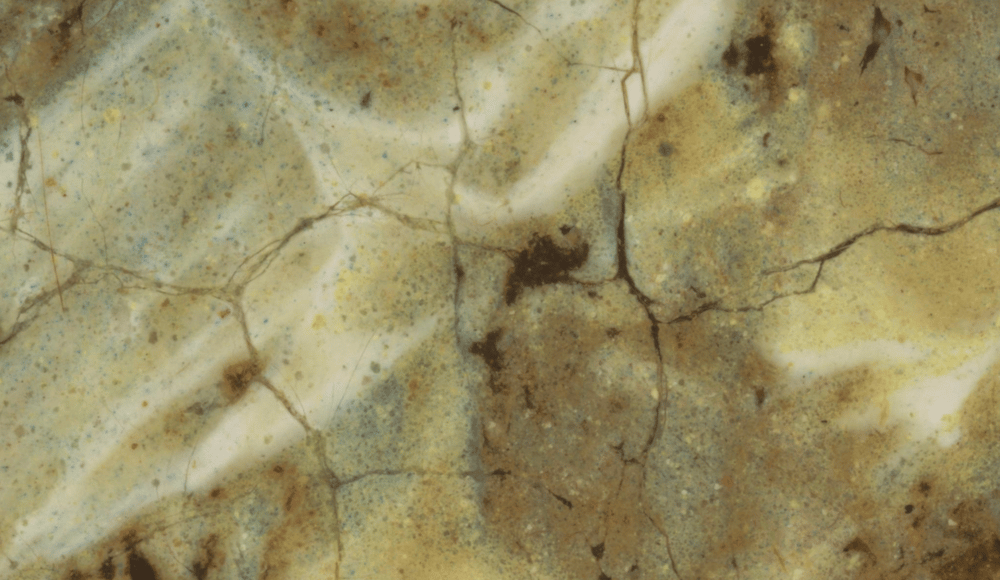
This isn't an image of dried, cracking earth, it's actually an image of Rembrandt's painting The Night Watch (1642). It is a detail from a super high-resolution image made by the Rijksmuseum, available on their website. They stitched together 8439 photos, and the image is so detailed that each pixel is smaller than a red blood cell. The Night Watch continues to be one of Rembrandt's most famous paintings, and most of us will never get the opporunity to get anything like this close to the image in real life. So what does it mean that we all have the capacity to do so online? Moving around the image is a thrilling experience, its jaw dropping and to me the details are absolutely beautiful. But theres something a bit unsettlinga about it. It jolts us out of our perception of the world and into this micro scale that we dont spend much time thinking about. But its also unsettling becasue as I found out recently, Rembrandt actually expressed that he didnt want people to look too closely at his work. He said something like - dont get too close or the smell of the paint will bore you. So I wonder how Rembrandt might feel about all of us having at our fingertips the ability to scroll around his painting like this.
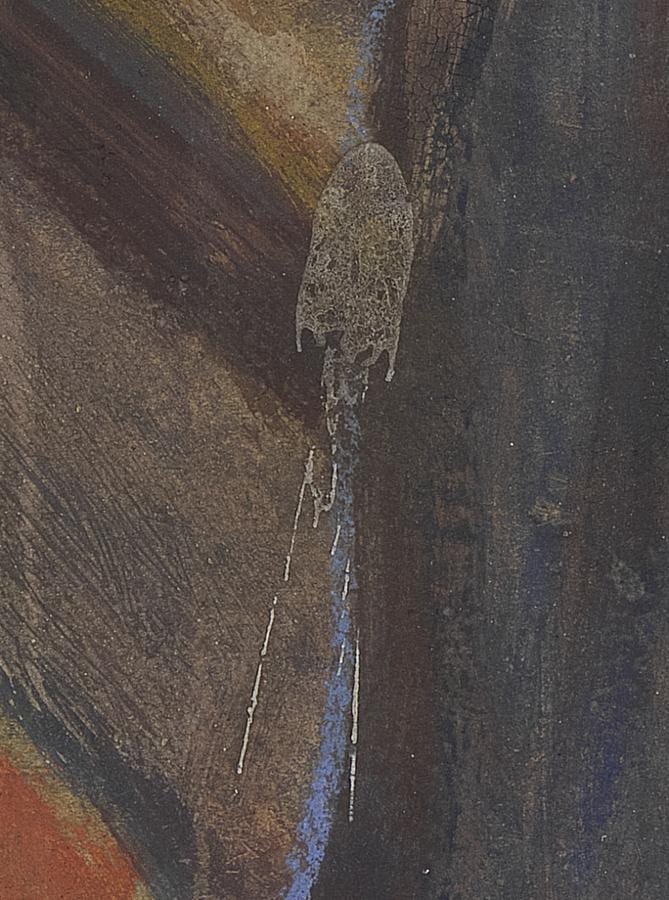
Deatil of Edvard Munch's The Scream. The detail depicts an accidental drop of candle wax from the artist's studio, sitting just above the figure's shoulder.
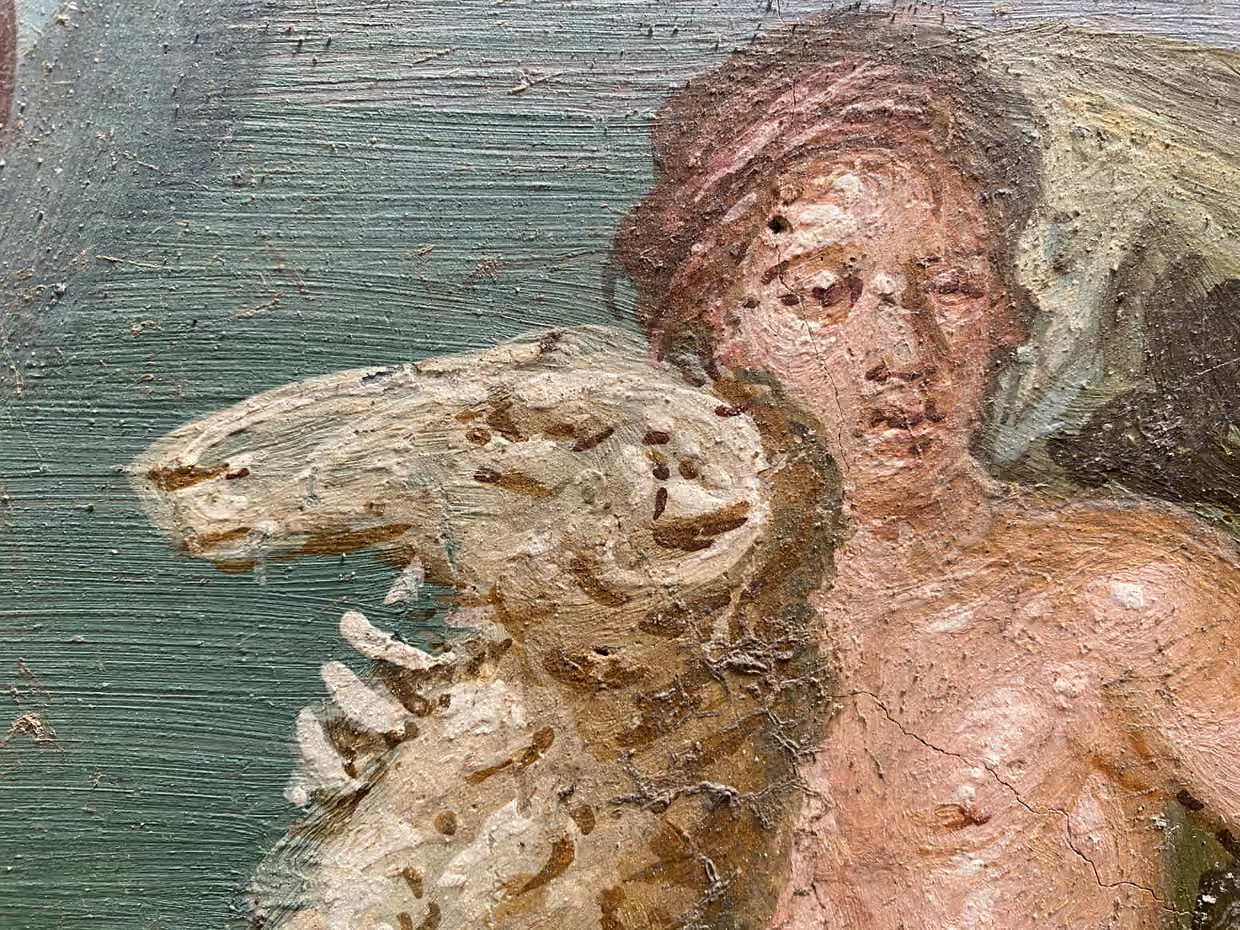
Pompeii pt1 | Detail of a Pompeii fresco. In love with the thickness, texture, pallette, and the crumbling details of Pompeii frescoes. Photograph: Pompeii Archaeological Park
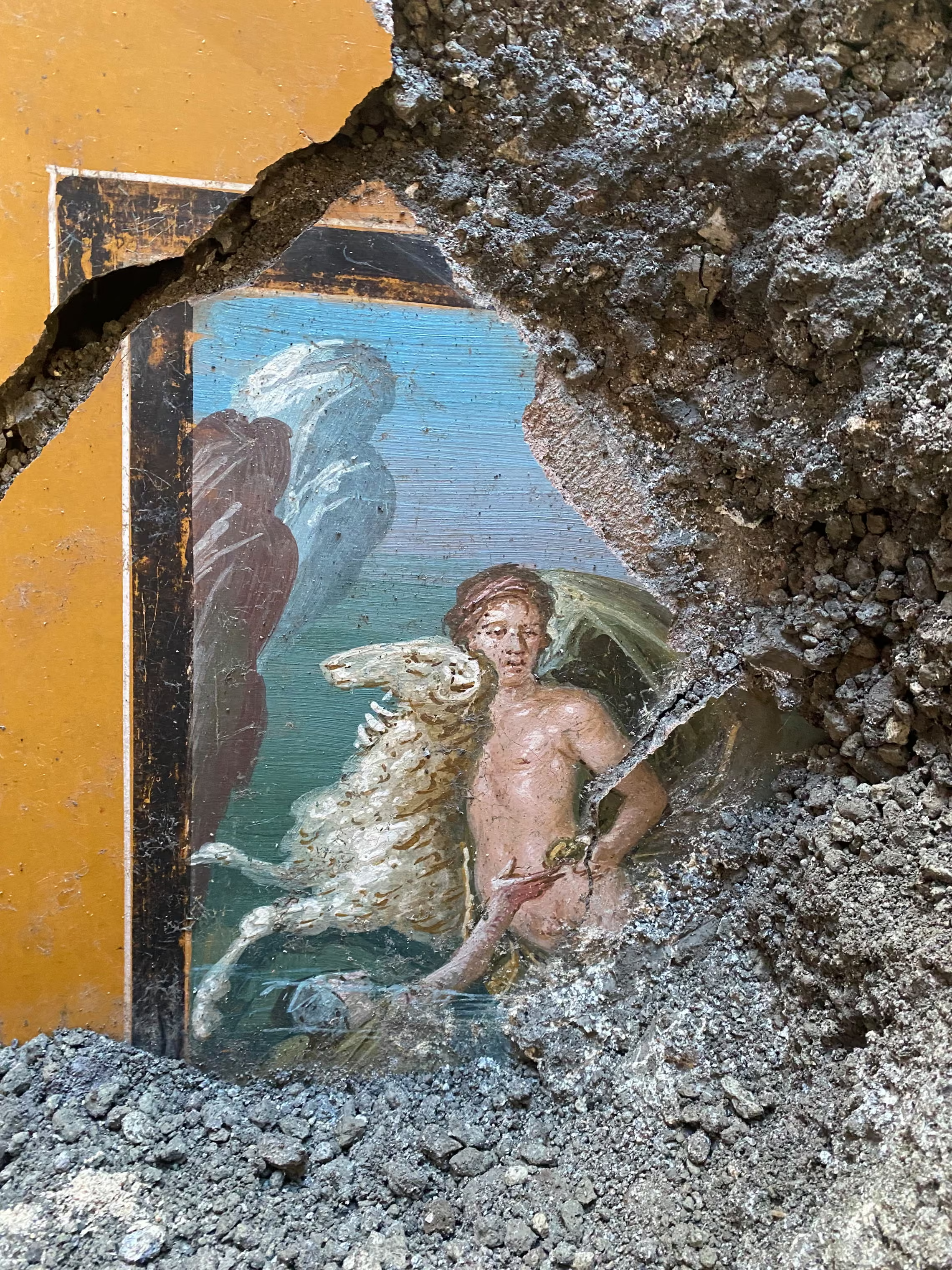
Pompeii pt 2 | Seeing the whole image in the rubble of a recent discovery we see the full scene where Helle is about to drown, her face under the sea, reaching out to her brother Phrixus. This wider setting is so powerful becasue the painting intself looks like it's drowing once more amongst the rubble of Pompeii. Photograph: Pompeii Archaeological Park
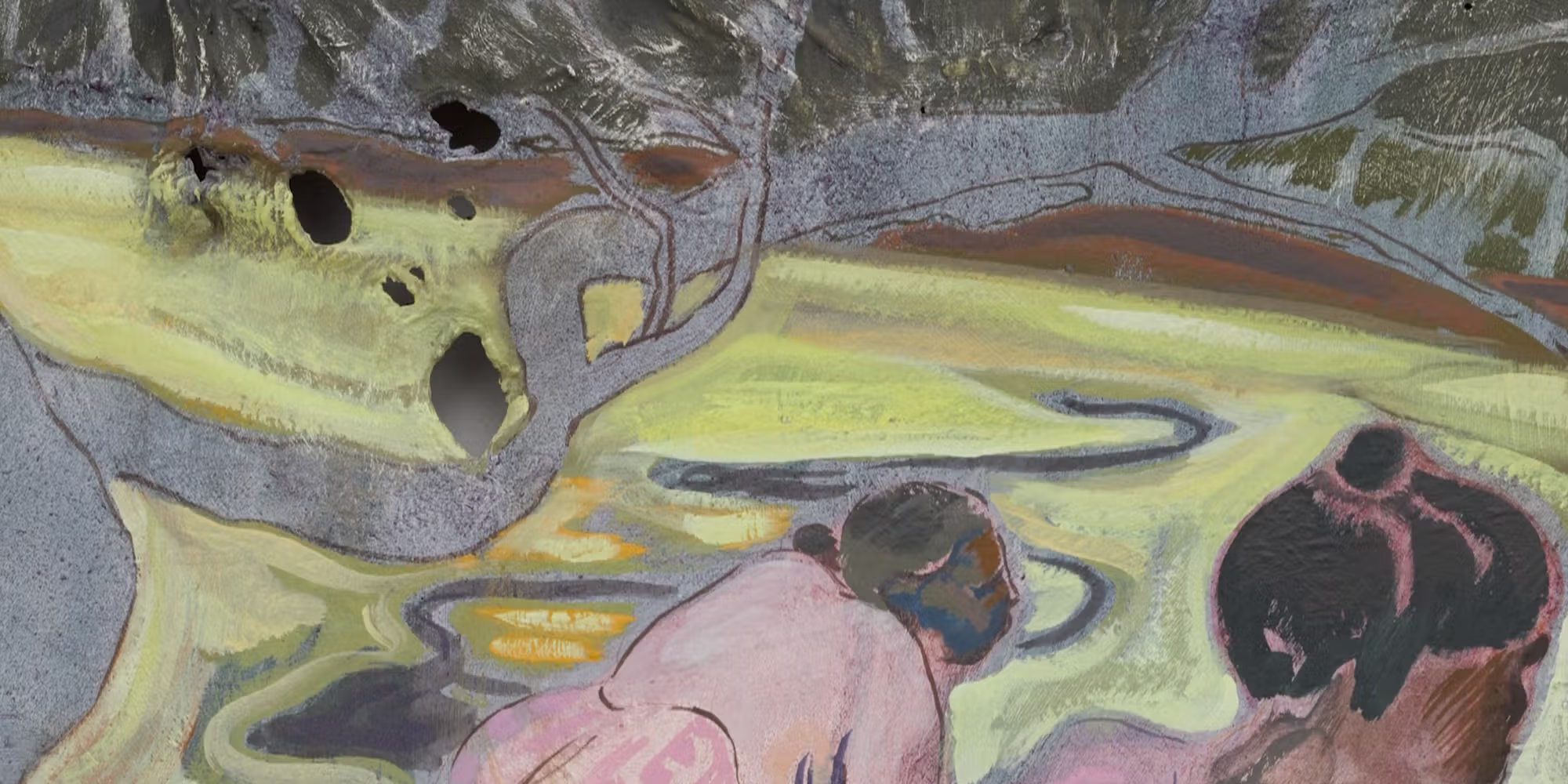
Micheal Armitage, detail of a painting. Lubugo bark cloth is a traditional non-woven textile made from the inner bark of the Mutuba tree (Ficus natalensis) handmade by the Baganda people in Uganda. In a MoMa interview with Hanna Girma, the artist Michael Armitage discusses why and how he paints on bark cloth. Armitage describes it as ‘basically the outer layer of bark of a ficus tree called ficus natalensis. It’s actually called lubugo bark, which translates to “funeral cloth” or “shroud.”’ Image showing detail of a painting with a hole in the bark cloth, Micheal Armitage. Image: White Cube
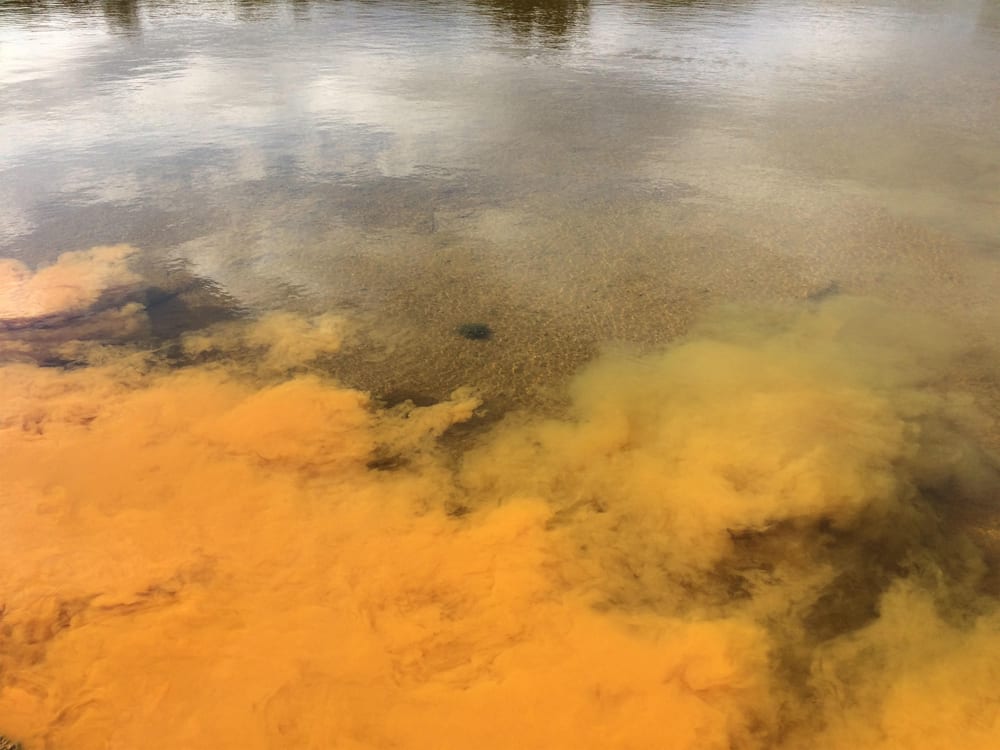
Artist | Onya McCausland, Turning Landscape. Paint made from mine water ochre. The research was developed by Onya McCausland and is now run as a collective community project CIC. ‘This research programme has involved intensive engagement with places where mining and quarrying is still shaping the landscapes to observe and document evolving knowledge of particular sites, their geology, the mineralogical peculiarities and the effect mineral extraction has on the contemporary landscape. Each ochre forming in each landscape is geologically distinct and can be seen as an index of a place - formed from the specific environmental, ecologic, geographic idiosyncrasies of that place only.’ - ++[https://turninglandscape.com/](https://turninglandscape.com/)++
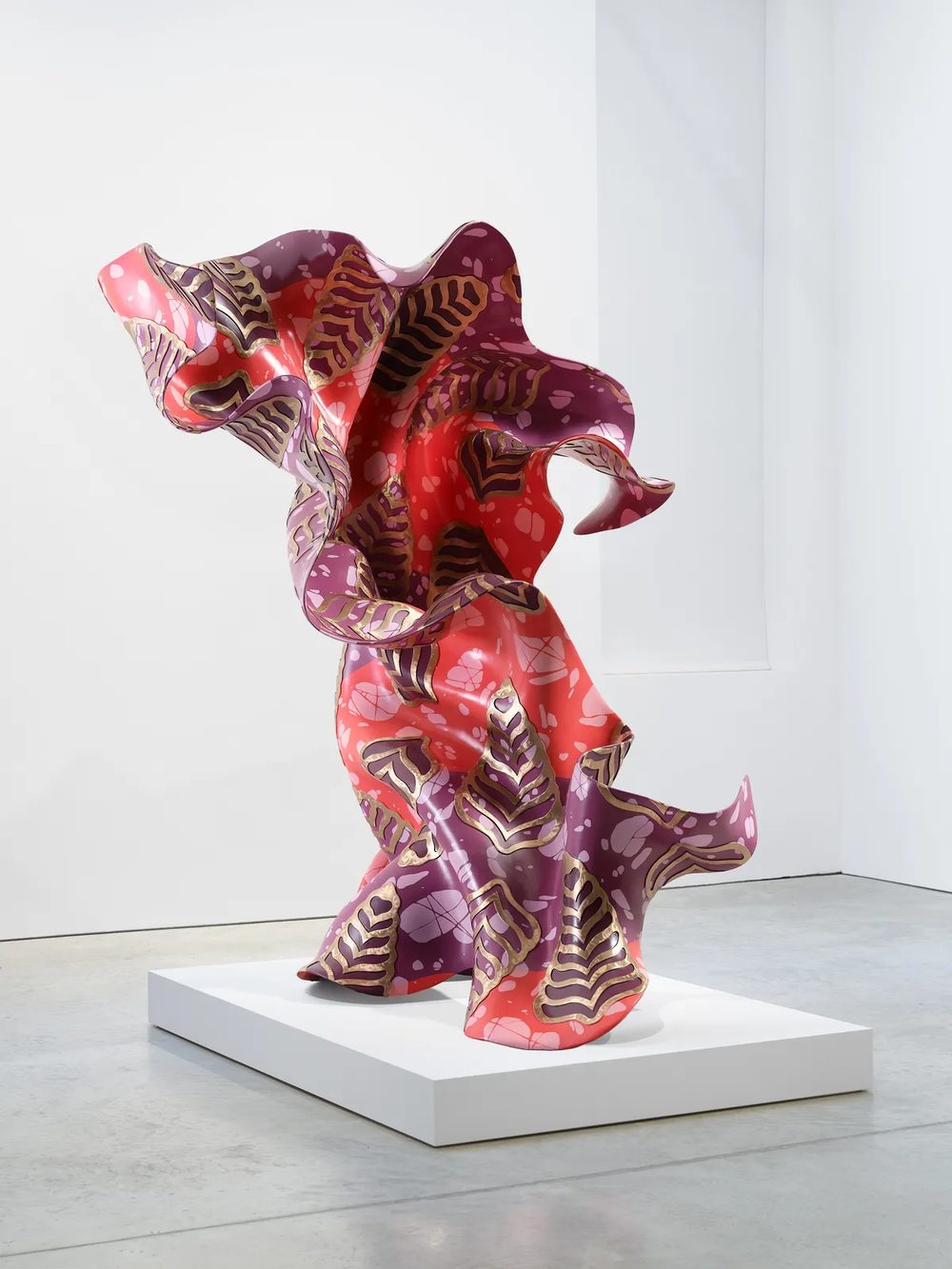
Yinka Shonibare, Wind Sculpture in Bronze II, 2023. Hand painted bronze, 200 x 150 x 137 cm
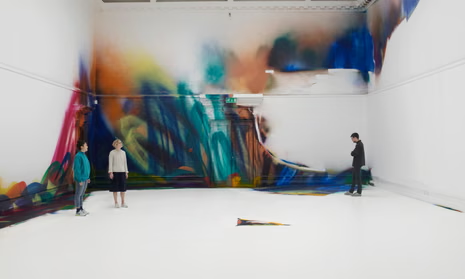
Artist | Katharina Grosse. Pictured exhibition This Drove My Mother Up the Wall at South London Gallery. Grosse "has radically reshaped the terrain of painting. For Grosse, painting does not belong to, in or on any particular surface; rather, it is a temporary ecology in which artist, site and viewer converge. In her practice, colour moves freely between canvas, architecture and ground, clinging to the contours of the physical world." - White Cube
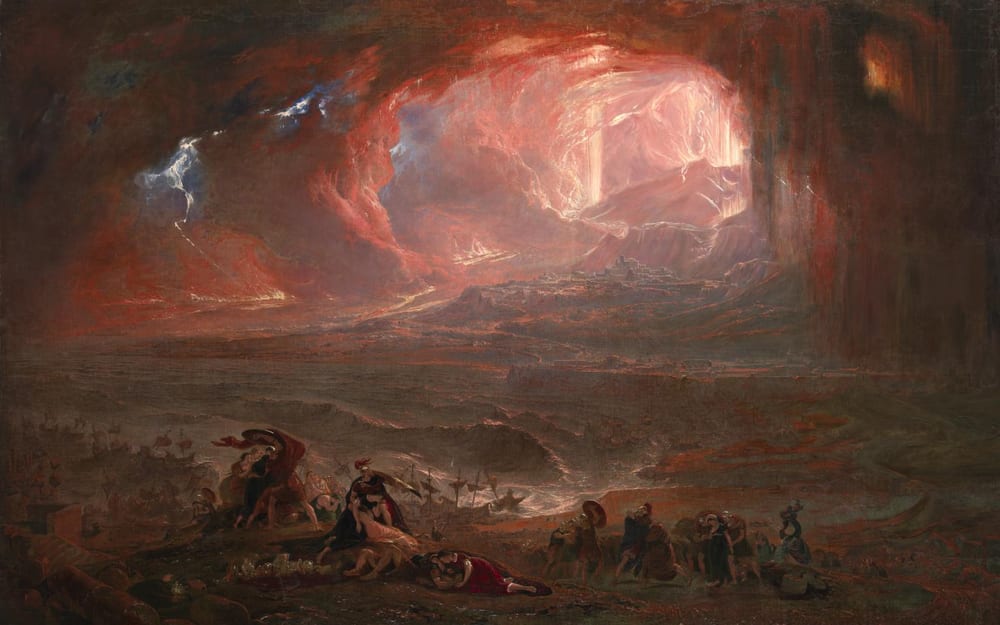
Artwork | The Destruction of Pompeii and Herculaneum, John Martin, oil paint on canvas, 1822. The painting imagines the eruption of Mount Versuvius, 24 August AD 79 which famously destroyed the cities of Pompeii and Herculaneum. "In 1928 the painting was in basement storage when the Tate suffered a disastrous flood. The picture was badly damaged and effectively written off but was extensively restored in 2011" - Tate.
A painting is made of paint—of fluids and stone—and paint has its own logic, and its own meanings, even before it is shaped into the head of a Madonna.
— Elkins, J. (1999) What Painting Is: How to Think About Oil Painting, Using the Language of Alchemy. New York: Routledge
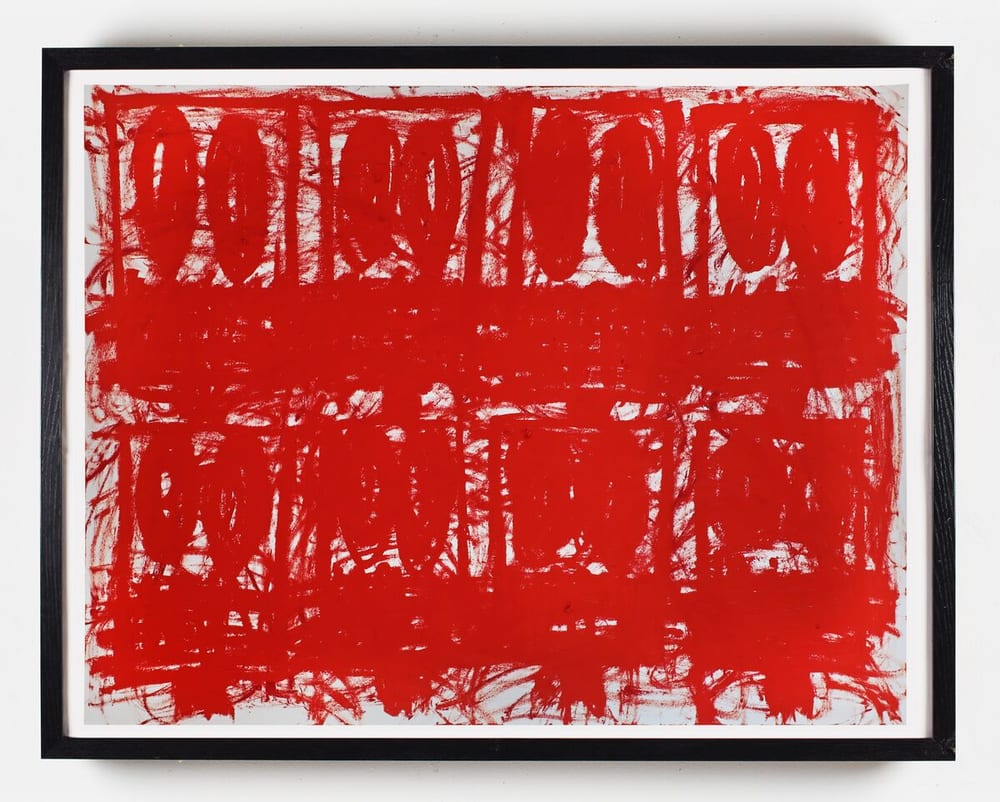
Rashid Johnson, Untitled Anxious Red Drawing, 2020, Oil on cotton rag