Mater is a publishing and research project gathering multi-disciplinary perspectives on what draws people to the materials they spend a lifetime working wth.
Since its founding Mater has commissioned new writing in the form of Texts, and conducts interviews and re-publishes existing essays through Stories.The Mater Podcast invites artists, makers and researchers to reflect on the materials that shape their practice. Mater hosts in-person activites such as talks, exhibitions, and an artist residency.
Together, these projects form an ongoing investigation into materials, not simply as substances, but as carriers of memory and stories.
The Material Archive
The Material Archive began as personal research. For over six years while researching the relationship between artists and materials, Mater founder Maddie Rose Hills made notes, bookmarked articles, collected quotes, photographed materials, and saved images.
This gathered material has become The Material Archive, which is a growing, online collection, now combined with original Mater projects. Every reference has been included because it has challenged and expanded a way of thinking about a material. Writers and artists have shared essays and projects to be re-published as part of the archive, and the “submit” button encourages others to share their own work for the chance to be part of it too.
In making the archive public, it can hopefully become a space for anyone curious about materials.
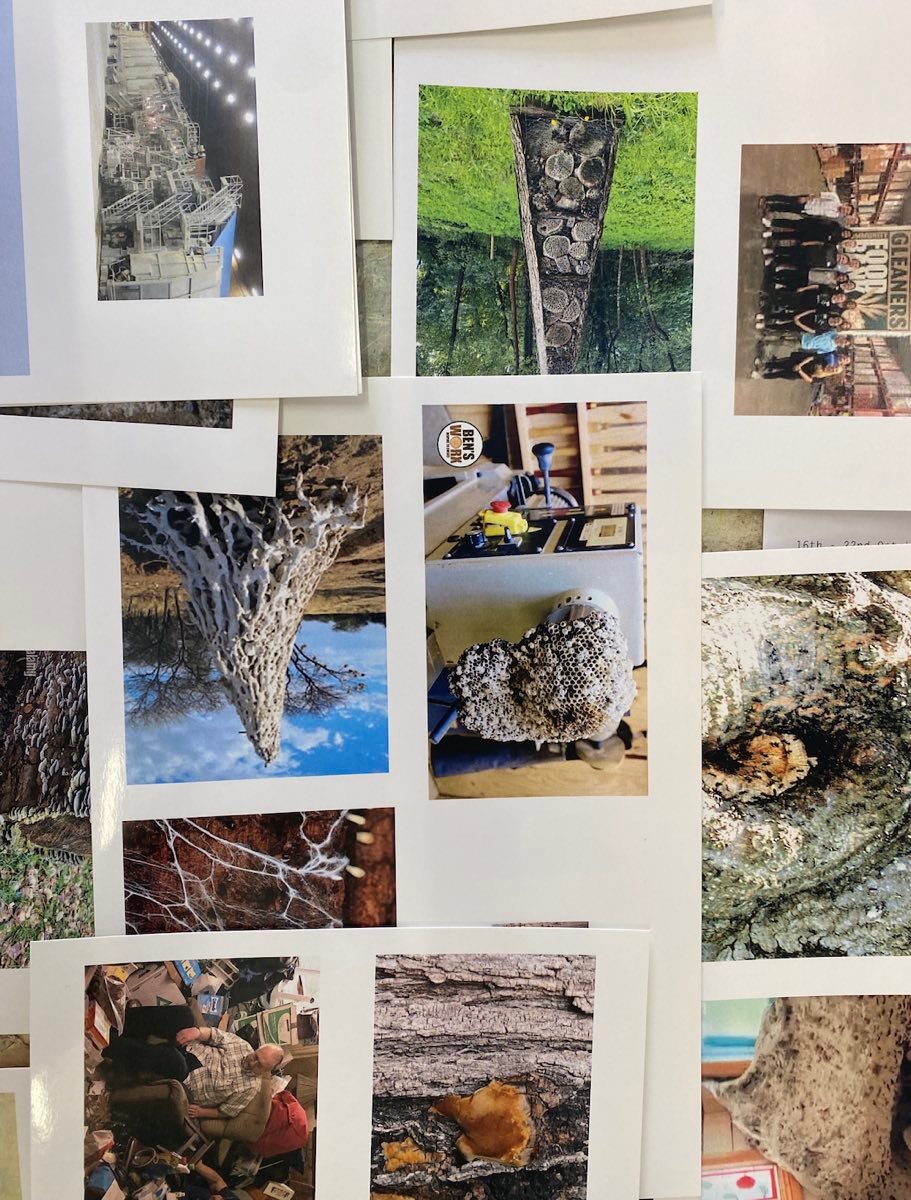
A selection of printed, found images in Maddie's studio, many of which are now in the archive
Behind Mater
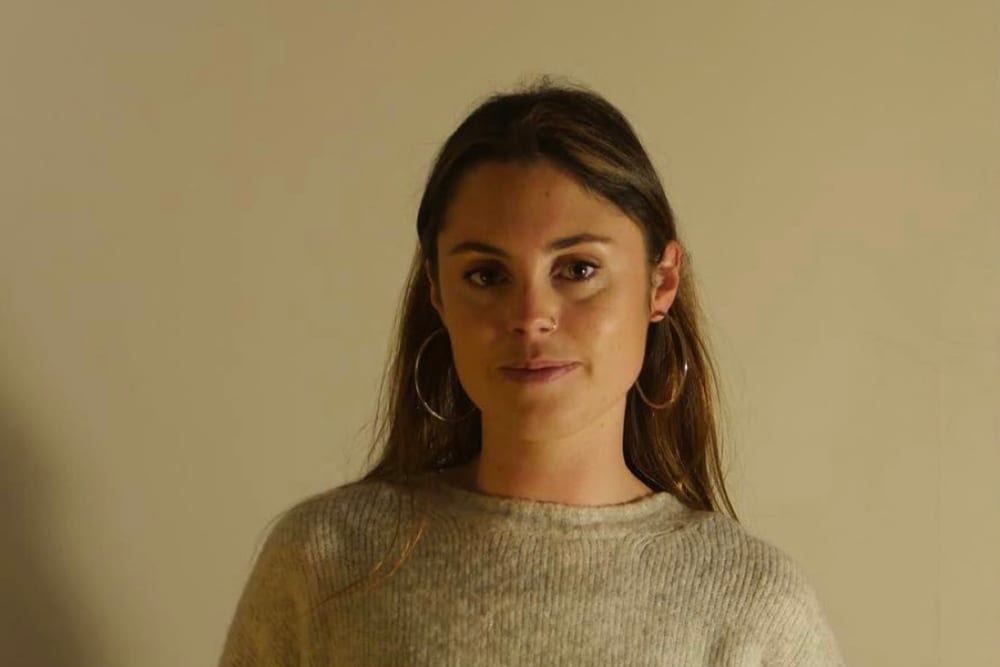
Portrait of Maddie Rose Hills
Mater was founded by Maddie Rose Hills (b. England, 1993), who came to an interest in materials first and foremost as an artist. After more than a decade of studying and practising as an artist, she developed a close, hands-on relationship with materials and became interested in the deep sensory knowledge that artists build through making.
Alongside her studio practice, Hills curated exhibitions and wrote about art before completing a Master’s in Art & Material Histories, where she combined research with material experimentation. Her practice gradually became more and more interested in asking artists what draws them to the materials they work with - a question she continuously asks through Mater. Both the sensorial alongside the theoretical come together to inform Maddie’s approach to Mater.
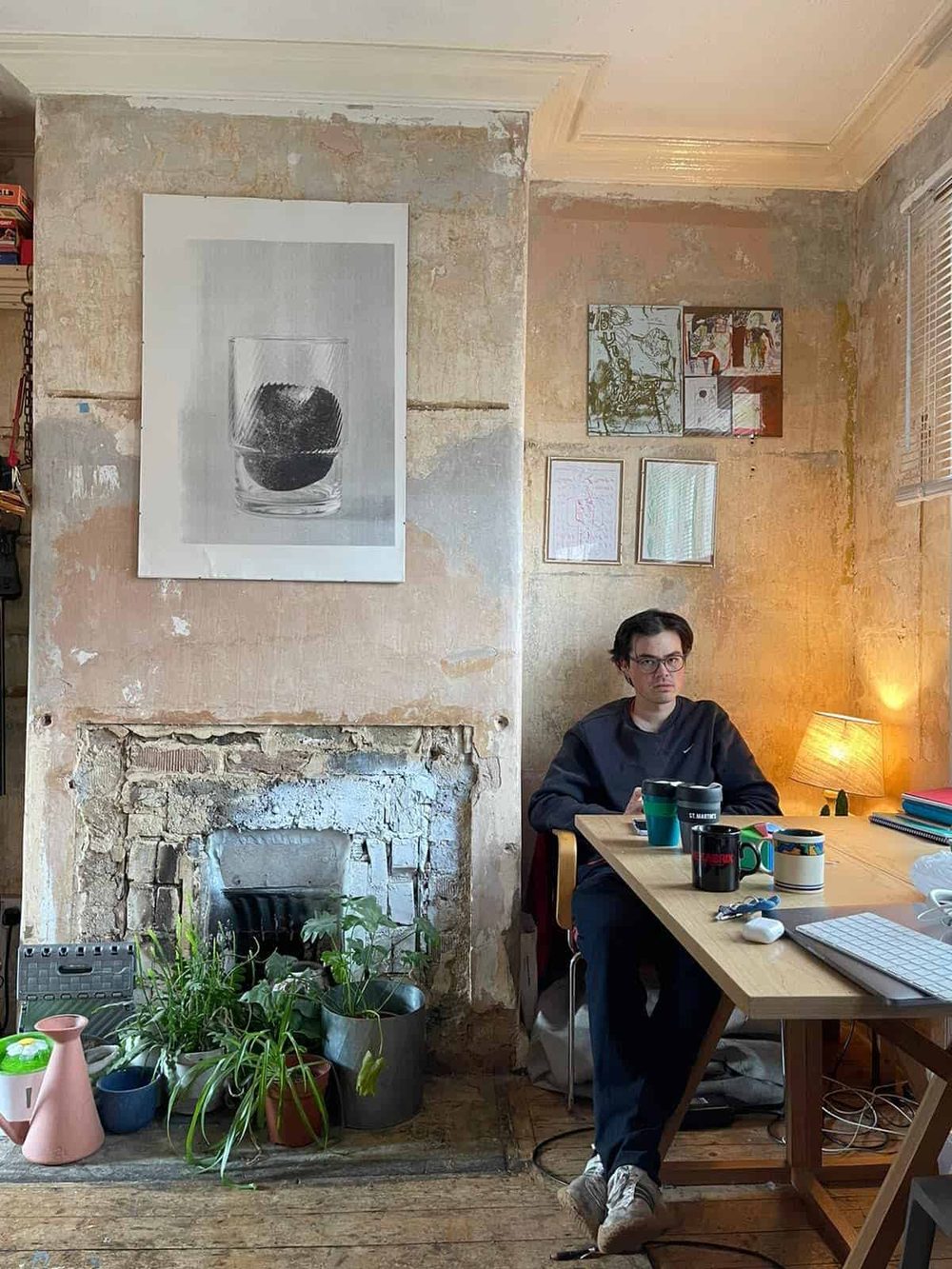
The Mater website is designed by Victor Hwang. Victor is a designer interested in the materiality and magic of technology. The design and build of Mater explores what’s in the overlap of these two (usually opposing) qualities.
The Mater Podcast: Conversations on art and materials. Launched 2024
The Metamorphosis of Matter was our first physical exhibition. Supported through funds from AFK. Amsterdam, 2024
Live Talks series with Esther Leslie, Dr Jareh Das, Heather Barnett & more, available on YouTube, 2022
Mater officially launched with a specially designed website and 15 original commissioned texts. The launch was supported with funds from Arts Council England, 2022
This website
Considerations that keep the Mater website’s ecological footprint low:
Mater is built as a static site. Instead of making a request for data every time someone visits (the way most websites work), all the pages are pre-built, reducing data sent per visit. We use Eleventy to do this, which outputs the smallest files of any static site generator.
Contributors were asked to avoid video, which often have file sizes hundreds of times that of images, audio or text. All images were converted to .webP, a highly efficient file format, and all audio was compressed.
We use Times New Roman, a system font. Most websites use custom fonts which are downloaded in the background, increasing the file size of the website.
A low-carbon headline image (~10kb) has been generated for each contributor, which is then layered with text and colour using simple HTML and CSS. This is hundreds of times smaller than a typical headline image.
Complex animations or calculations, which can cause your computer to work harder and consume more energy, have been avoided.
We tested and iterated on the carbon cost of each page, using Website Carbon as the site was built out. A live calculation of the carbon cost of each page can be seen in the footer.
Our host Cloudflare runs on 100% renewable energy.
Several conversations have been pivotal to the development of the Mater website. Namely with Peter at Quad Derby, and sarah koekkoek in discussing ideas for the archive.
The average webpage produces 1.76g of CO2 per view. Every effort has been made to reduce the ecological impact of Mater. We use 100% renewable energy for our hosting. CO2 estimates provided by Website Carbon.